Grigory Kabachnyi · Evdokia Fidelskaya

About Grev Kafi

Grev Kafi is the creative pseudonym of the artistic duo and spouses Grigory Petrovich Kabachnyi and Evdokia Ivanovna Fidelskaya.

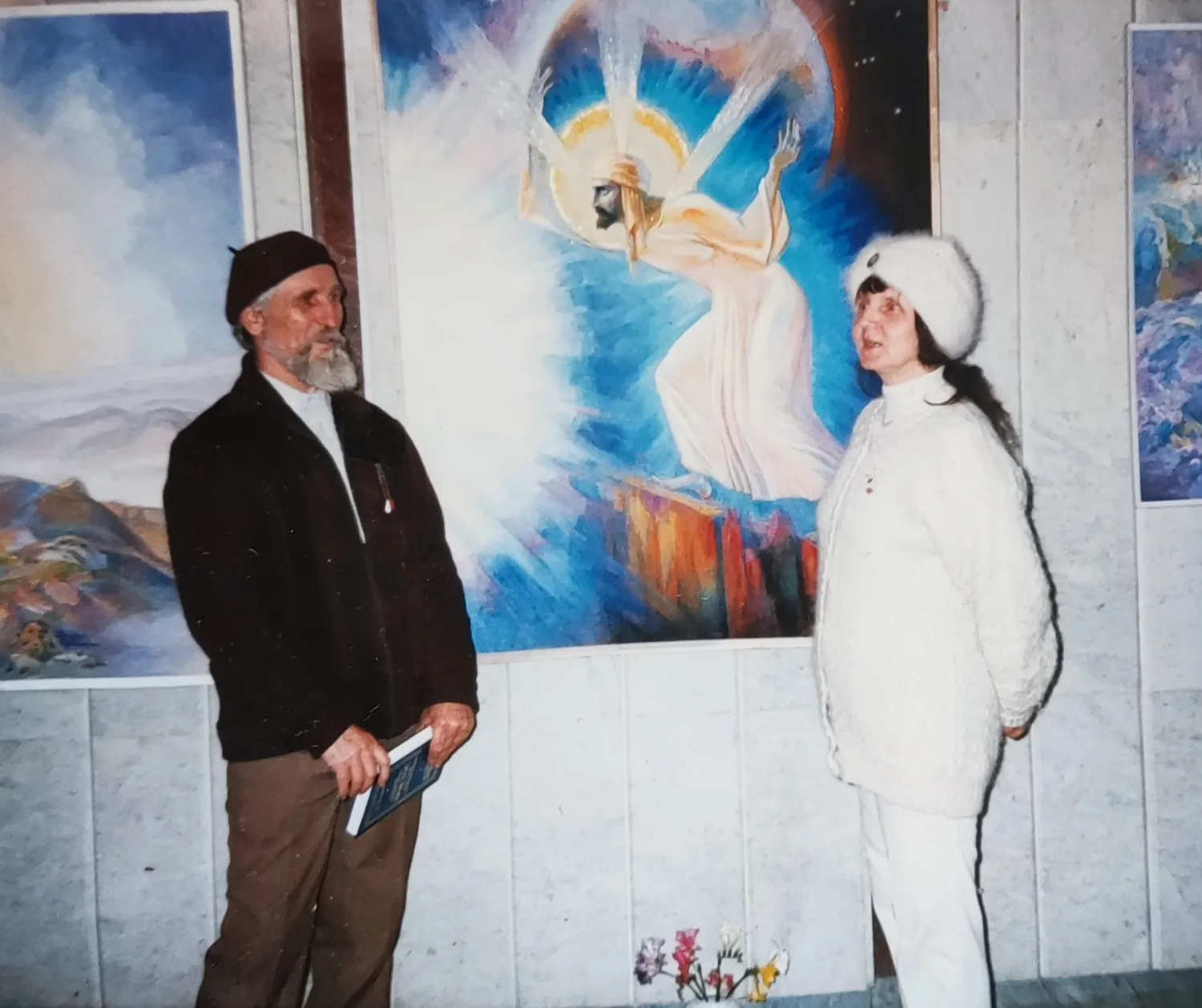
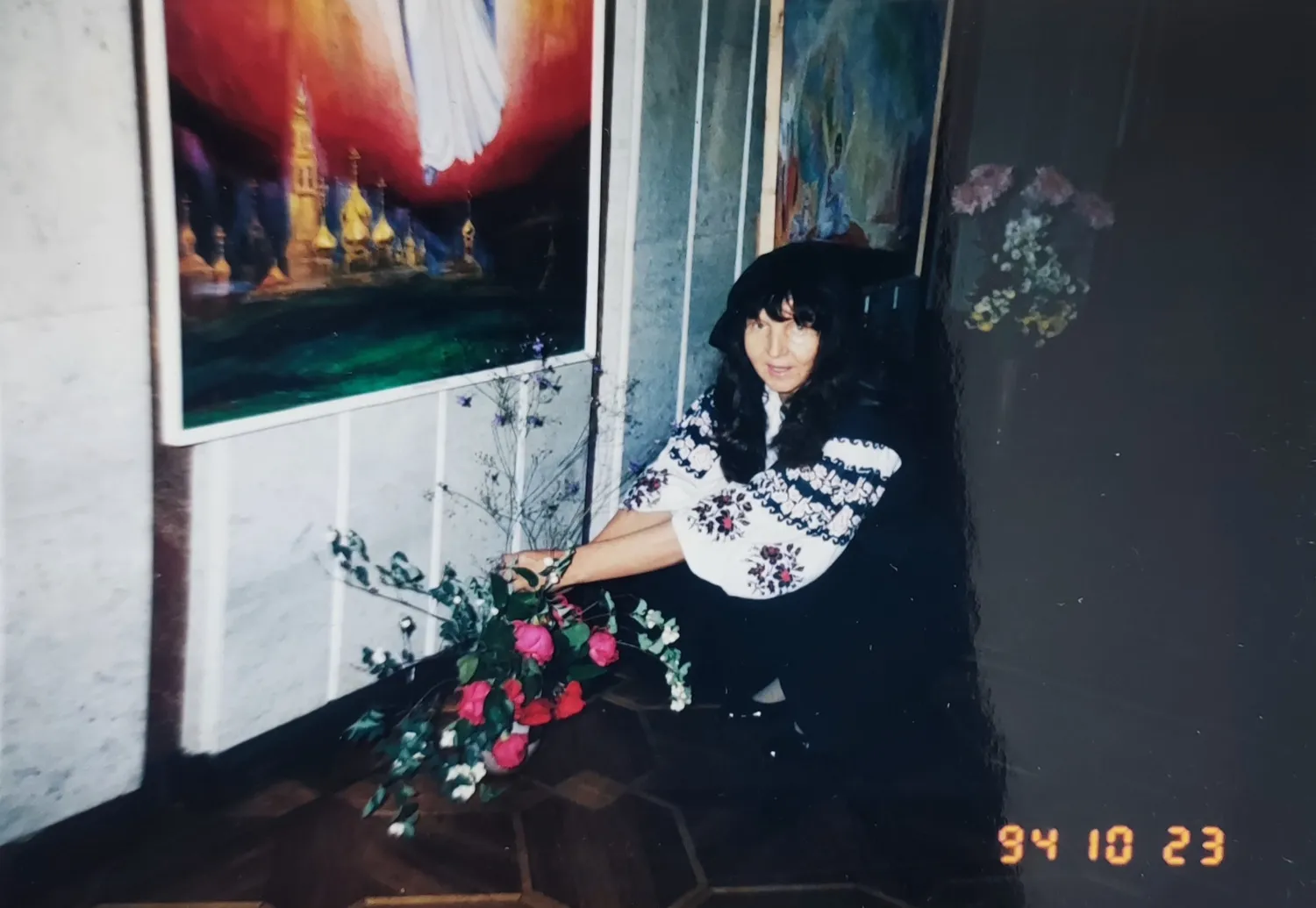
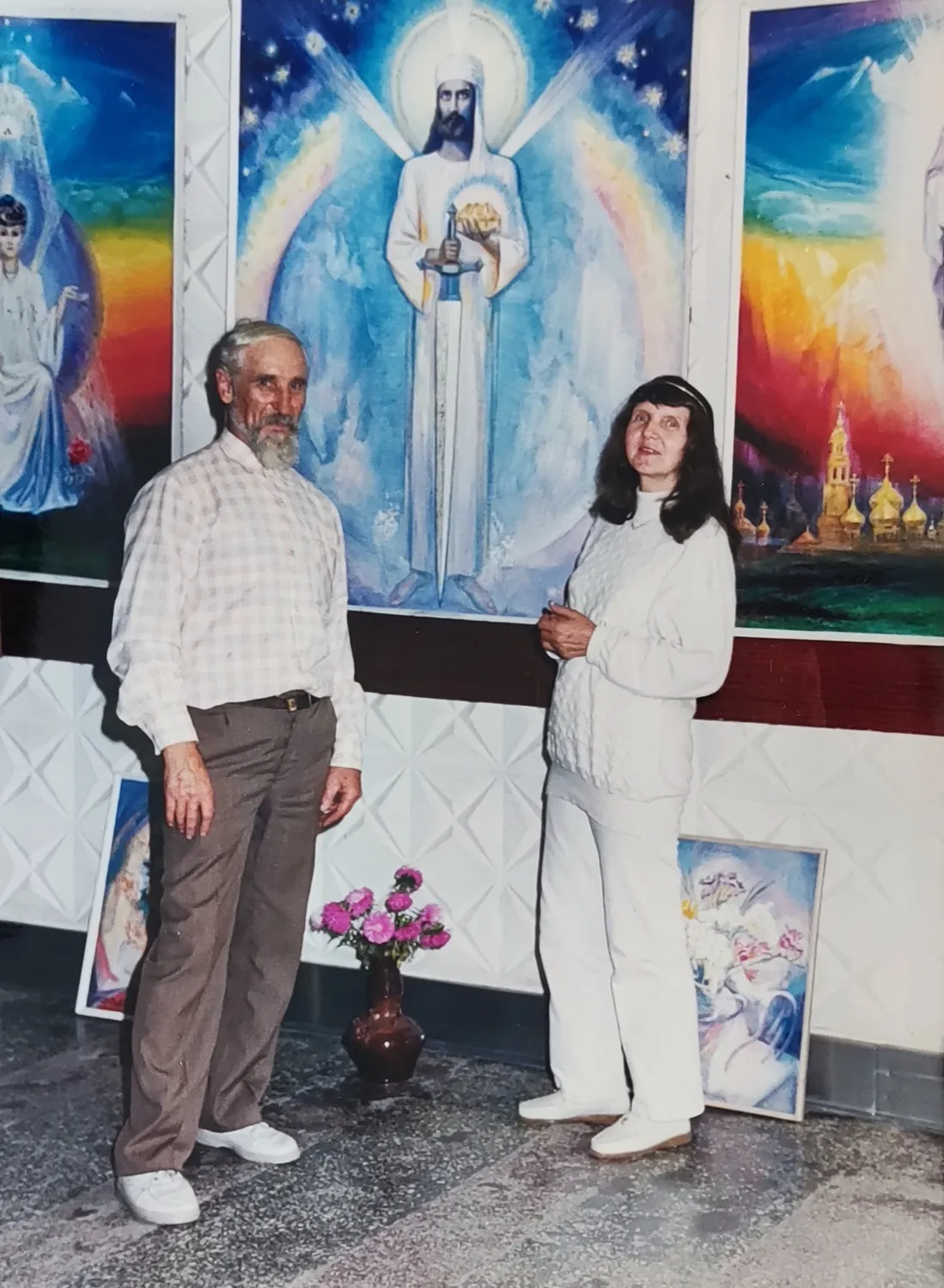
Grigory Kabachnyi and Evdokia Fidelskaya in the exhibition hall

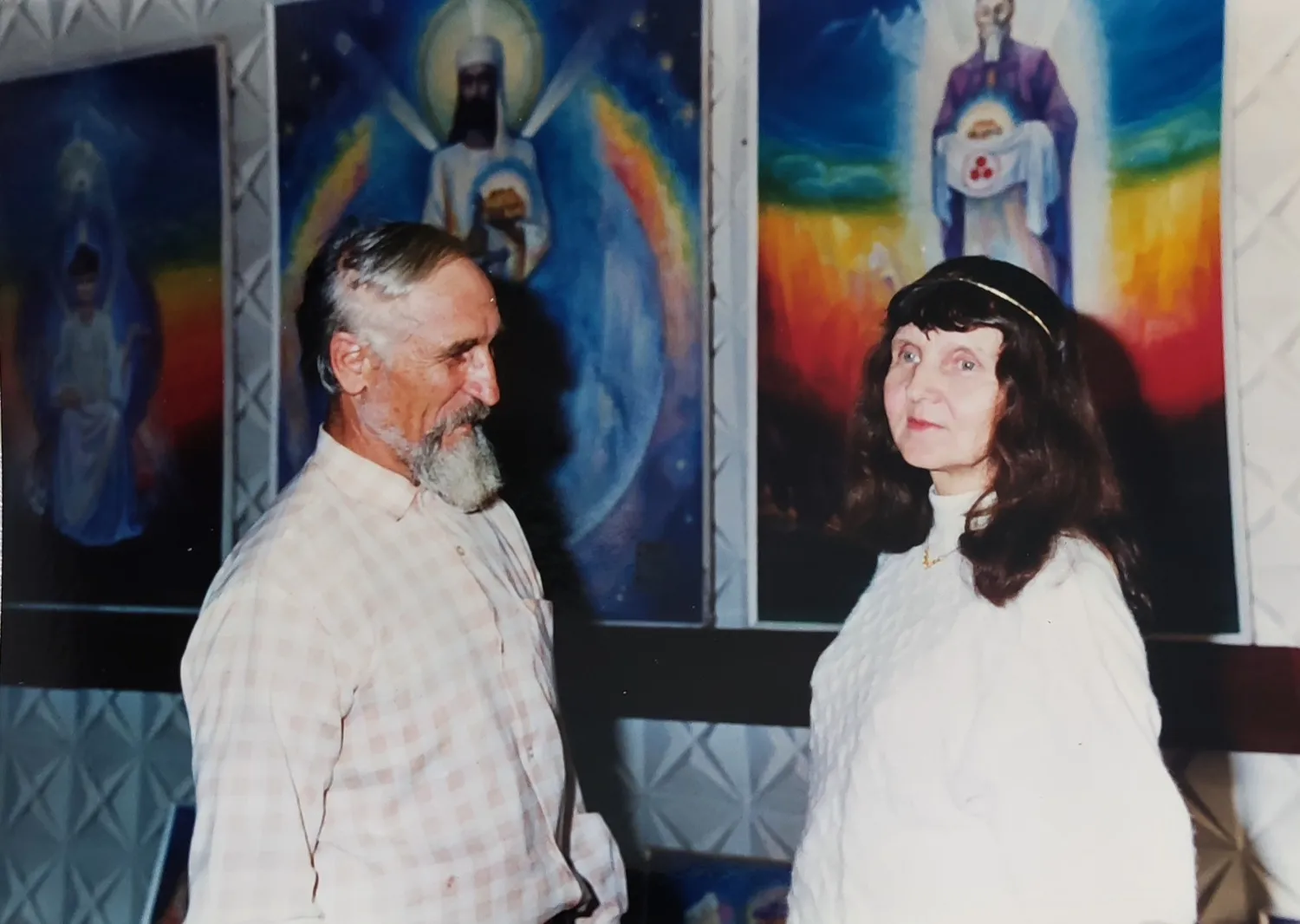
Grigory Kabachnyi and Evdokia Fidelskaya

A name from two destinies

Grev Kafi is a name behind which stand two biographies, two artistic destinies and one shared creative school. The pseudonym is formed from the artists' names and surnames: 'Gr' from Grigory, 'Ev' from Evdokia, 'Ka' from Kabachnyi and 'Fi' from Fidelskaya. Together they form the shared creative name of the duo: Gr-Ev Ka-Fi.

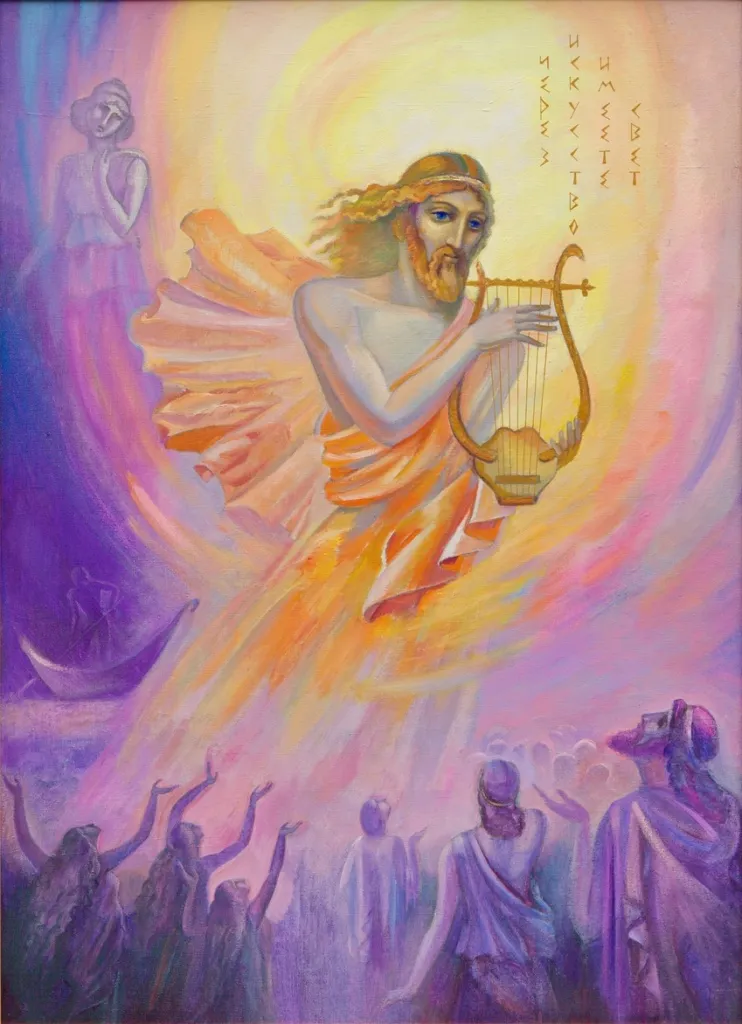
Their art formed at the intersection of academic painting and a symbolist understanding of culture. In their works, mythology, religion, philosophy and spiritual culture are considered languages of world memory and universal human values.

«The spouses signed their works under one name, emphasizing that the duo's art was the result of shared, inseparable labor and shared authorial thinking.»

Two artists

A shared academic school

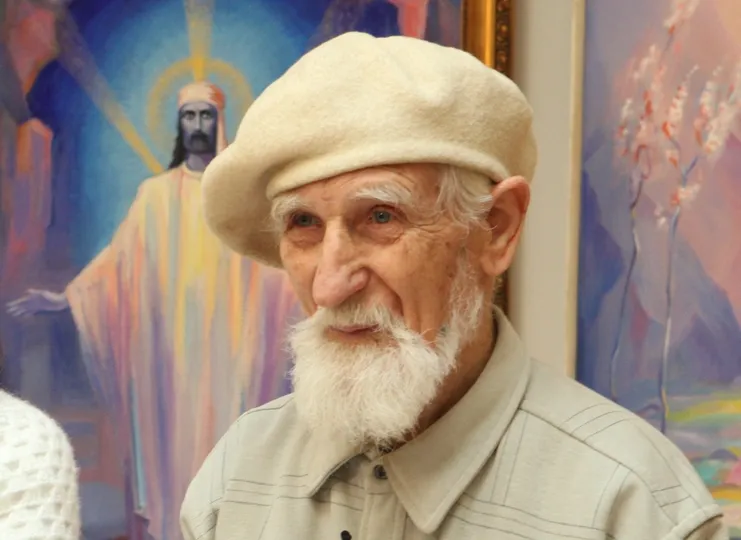
Grigory Petrovich Kabachnyi

Grigory Petrovich Kabachnyi

was born on 9 November 1932 in Konotop, Sumy region. He studied at the Kyiv Art School, then at the I.E. Repin Chișinău Art School and the Kharkiv State Art Institute, specializing in painting. A shared academic school gave the duo a strong foundation: drawing, composition, color discipline and the ability to see form.
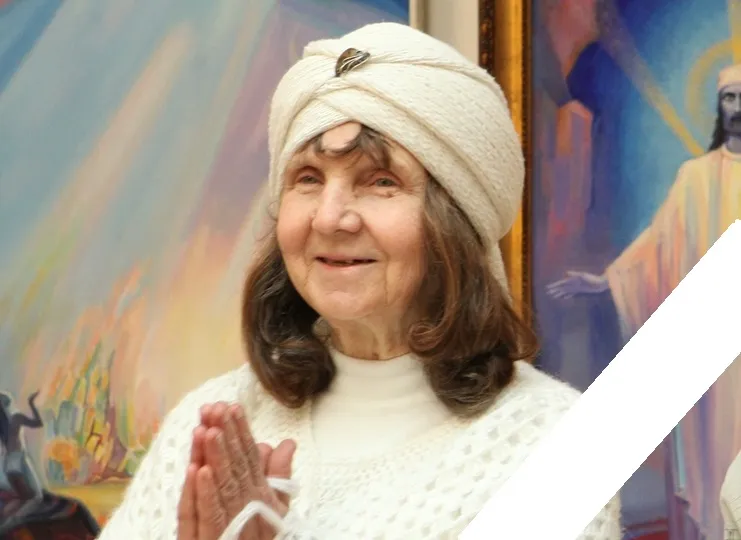
Evdokia Ivanovna Fidelskaya

Evdokia Ivanovna Fidelskaya

was born in 1939 in the village of Jura, Rîbnița district, Moldavian SSR. She received her art education at the Chișinău Art School and the Kharkiv Art Institute, specializing in painting. In their joint work, her training and artistic vision became part of the unified language of Grev Kafi.

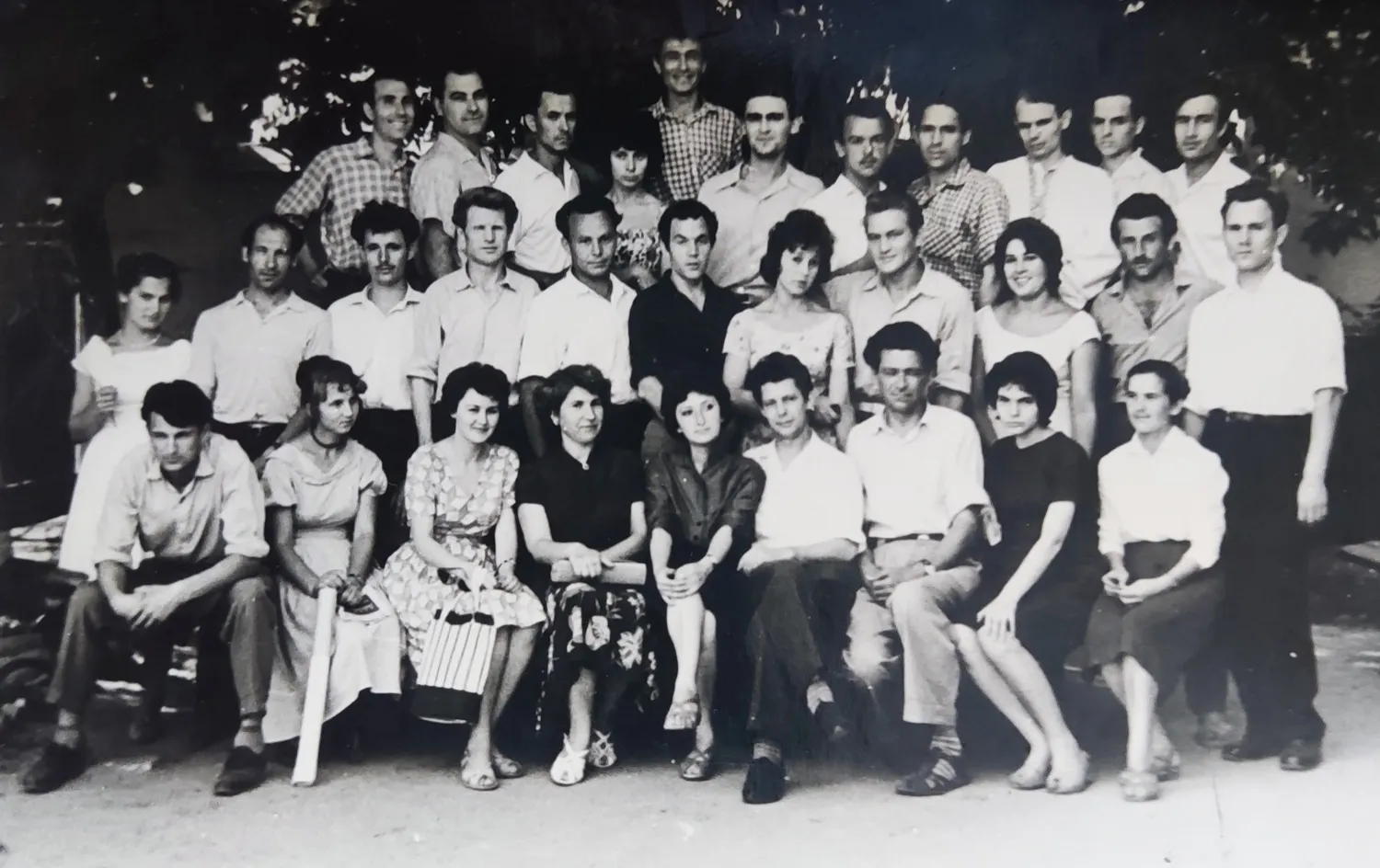
From the archive · the student years

The student years and the shared artistic school
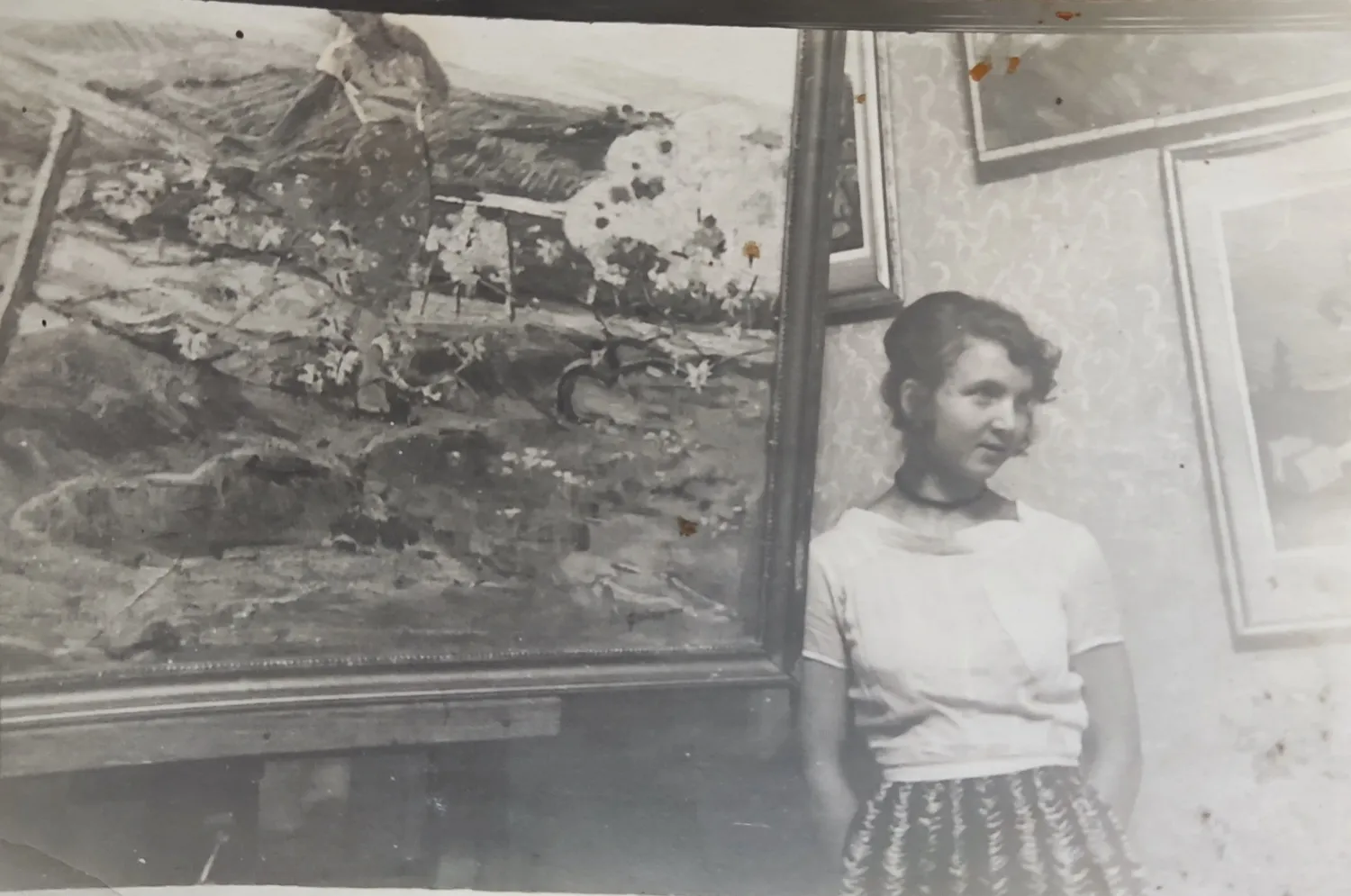
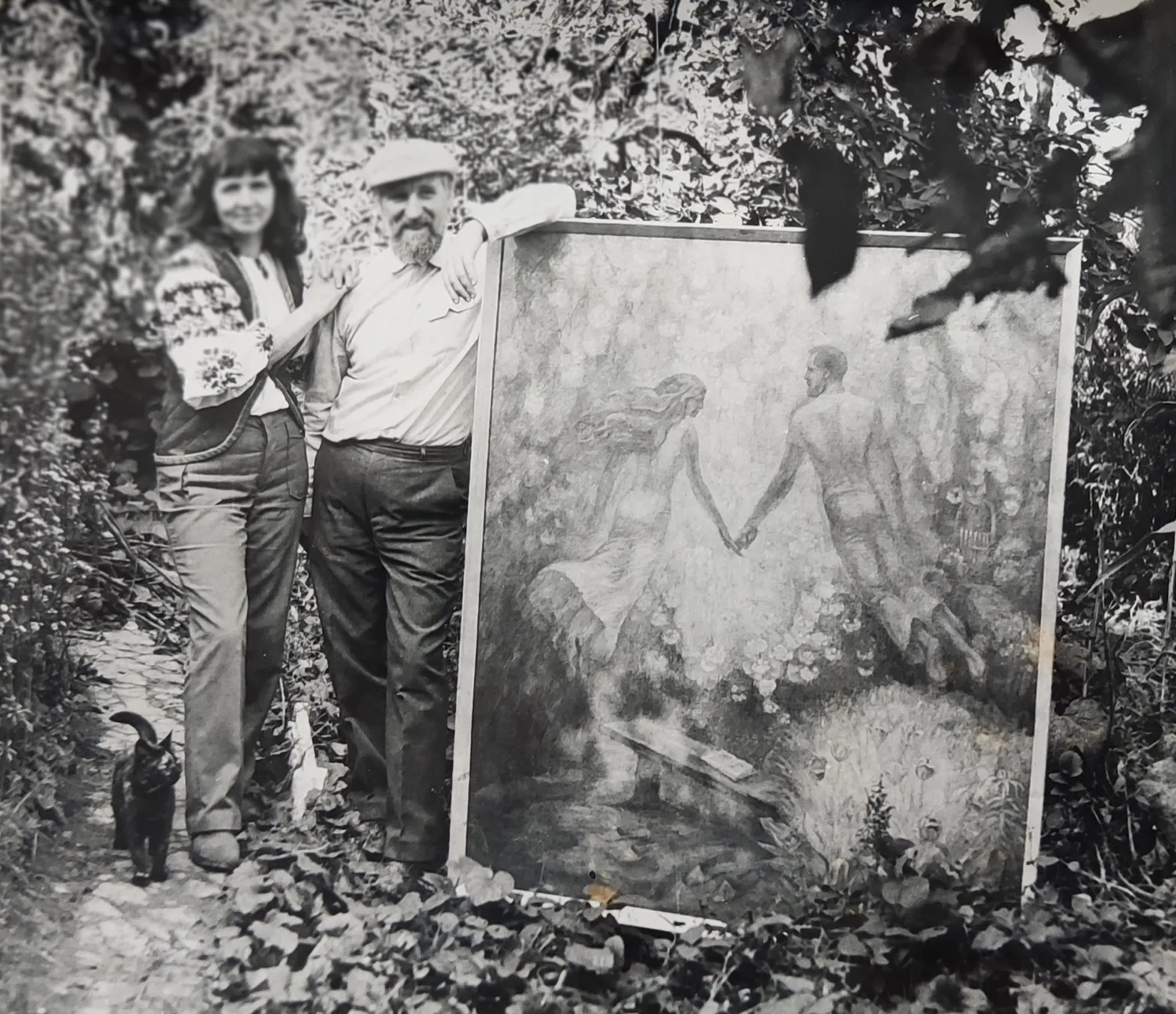
Beside one of the early paintings
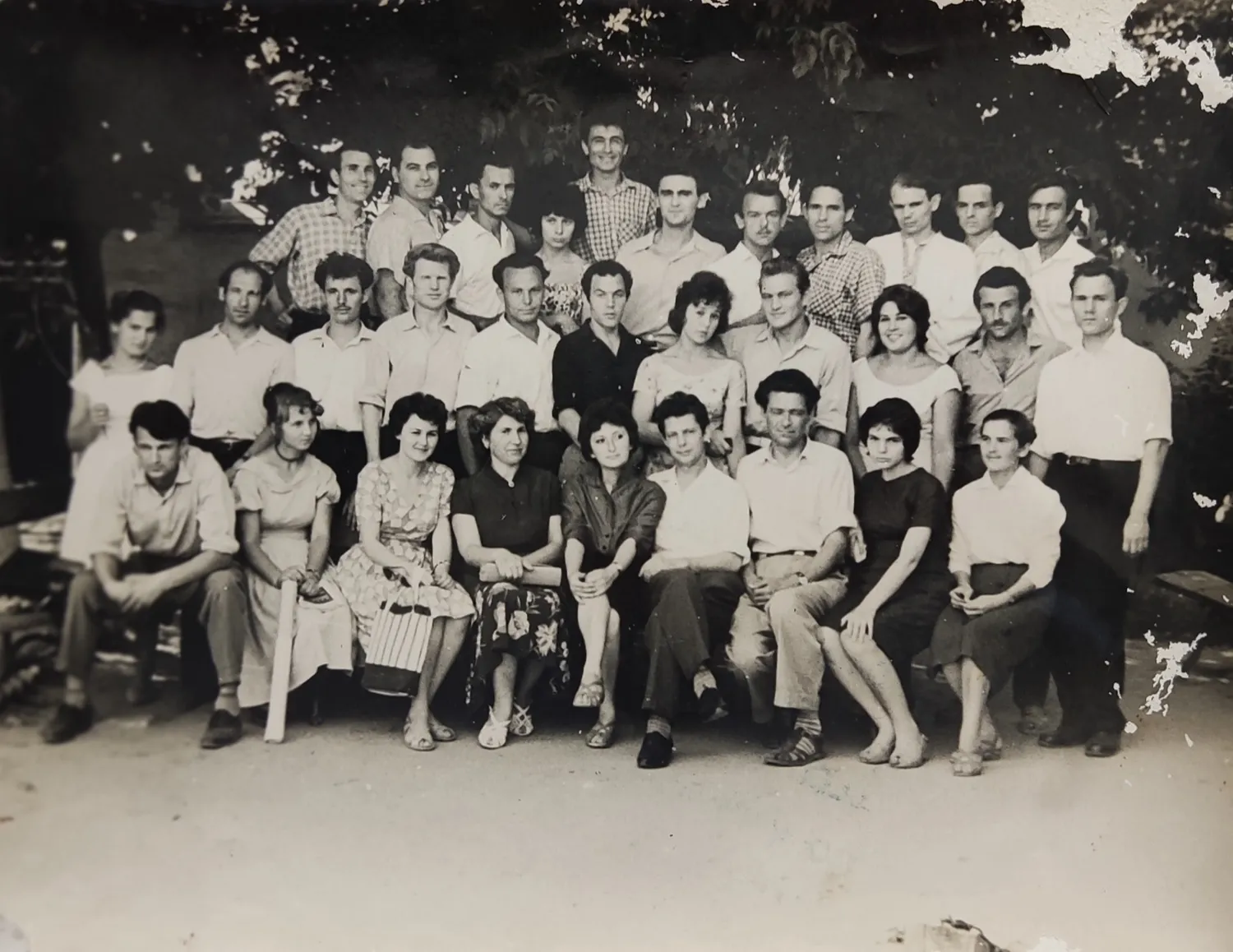
Among colleagues and classmates

Creative path

A school of plein-air and unity

After graduating, the artists were assigned to Kazakhstan. This period became Grev Kafi's main school of plein-air work, observation, teaching and artistic unity.

1963–1978

The artists lived and worked for about fifteen years in Kazakhstan and the Tien Shan mountains. The mountains became their school of light, air, scale and intense concentration. In Alma-Ata, Grigory Kabachnyi taught at the Art and Graphics Faculty of the Pedagogical Institute, and both artists entered the region's artistic environment.

1978

The artists moved to Chișinău. Here the mature stage of their work began: intensive studio practice, teaching, exhibitions and the formation of large symbolic cycles.

late 1980s

Solo exhibitions were held in Chișinău, Moscow and the Moscow region. The works were shown in museum and exhibition spaces, including the National Art Museum of Moldova and regional venues.

1998–1999

The artists became laureates of the ORPHEUS International Pedagogical Festival of Arts. After this, exhibitions were held in cities of Moldova, Ukraine and Transnistria.

Working in plein-air, under the open sky

The “four hands” technique

One canvas, two hands side by side

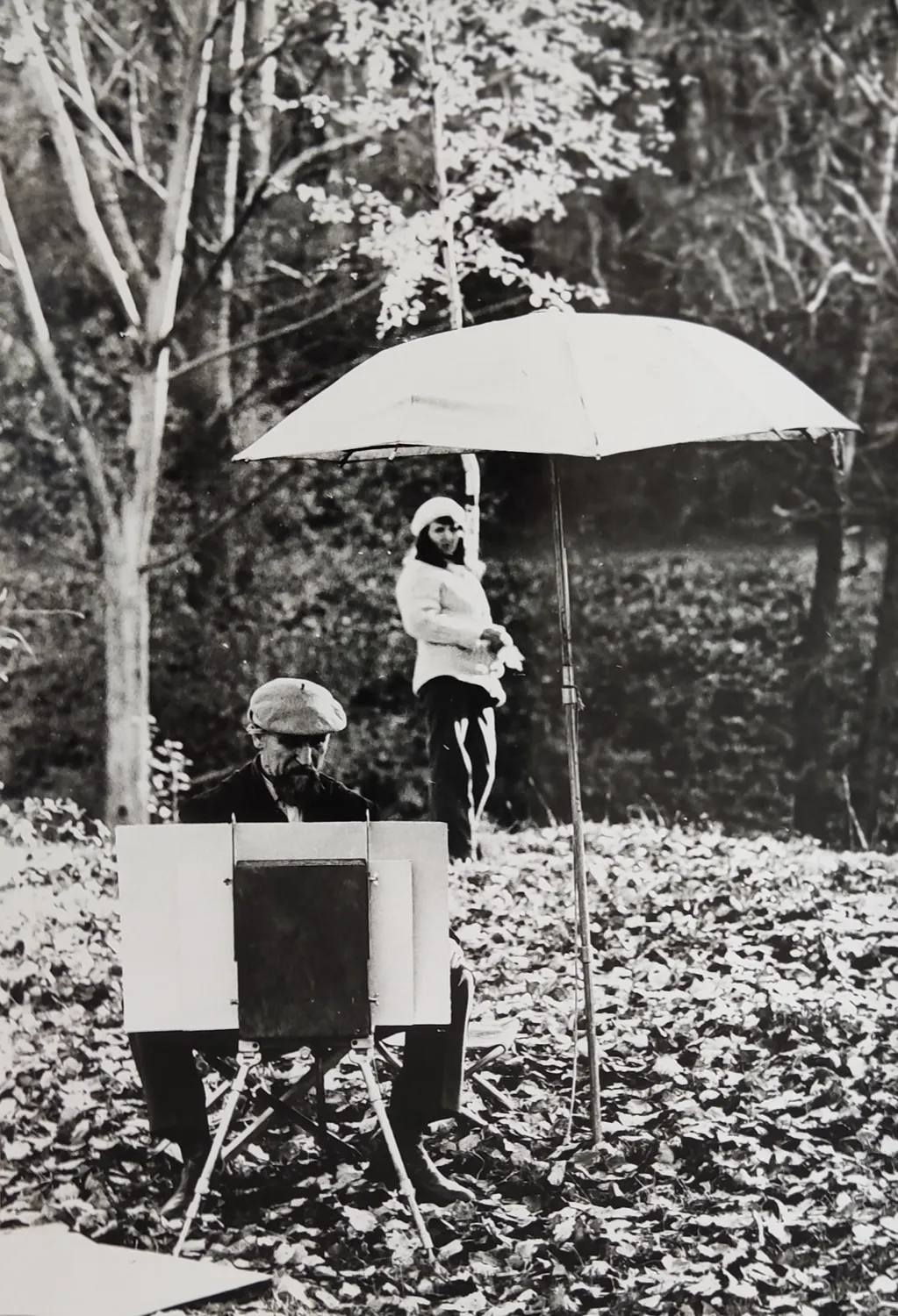
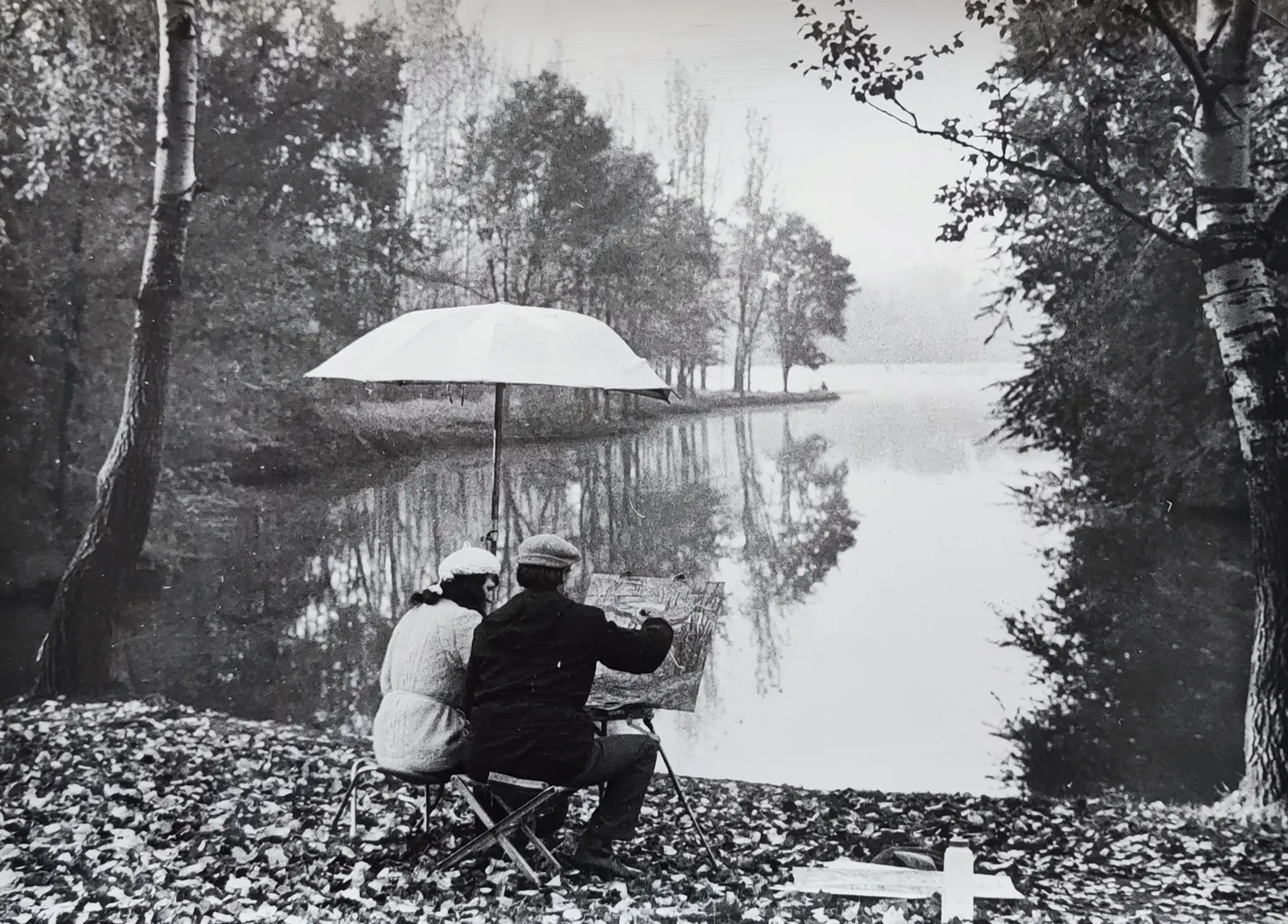
At one easel, under one umbrella.
At one easel, under one umbrella. From the museum archive · plein-air by the water

The practice later called the four-hands technique arose during mountain plein-air work in the Tien Shan. The state of sky, clouds, snow, stone and air changed very quickly, so the artists could work in parallel on one piece to preserve the living impression.

Over time, this method became not only a way to paint studies faster, but also a form of artistic unity. Even when a work was made mainly by one author, the second took part in the shared creative process: discussing the image, choosing the composition, preparing materials, framing, preserving and later presenting the work.

With a shared canvas
Sculptor G. Pototsky wrote:
«The world of Grev Kafi's paintings is optimistic and affirms the idea of a beautiful reality, full of mysteries, as pure as the world of a child.»

Period of artistic maturity · 1990–2020

Period of Artistic Maturity (1990–2020)

In the mature period, landscape experience, academic training and philosophical sources came together into a system of images designed for an attentive conversation with the viewer. Landscape, still life, portrait and symbolic composition do not work as separate genres, but as parts of one artistic language. Among the significant works:

PrayerOn the Threshold of EternityFlight over a Blooming GardenPetrified OceanMessenger of LightThe World Is Full of JoyHoly ResurrectionGeniusIsisTrinityChristThe ArtistSaint
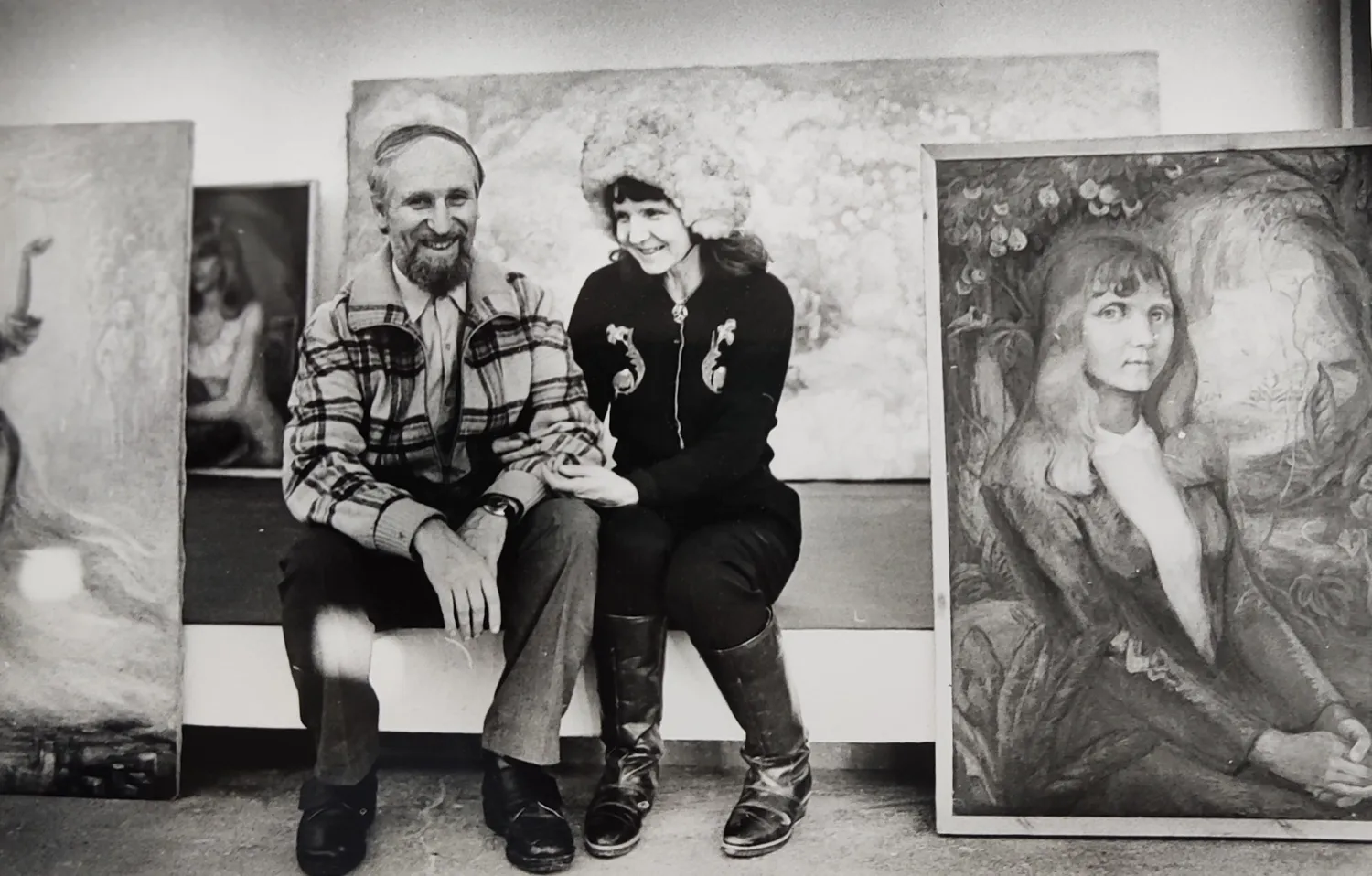
In the studio, among finished works

From the archive · in the exhibition hall

By a symbolic composition, in the exhibition
In conversation, in the exhibition hall
Opening: flowers beside the paintings

Outside the studio

Life, garden and the road

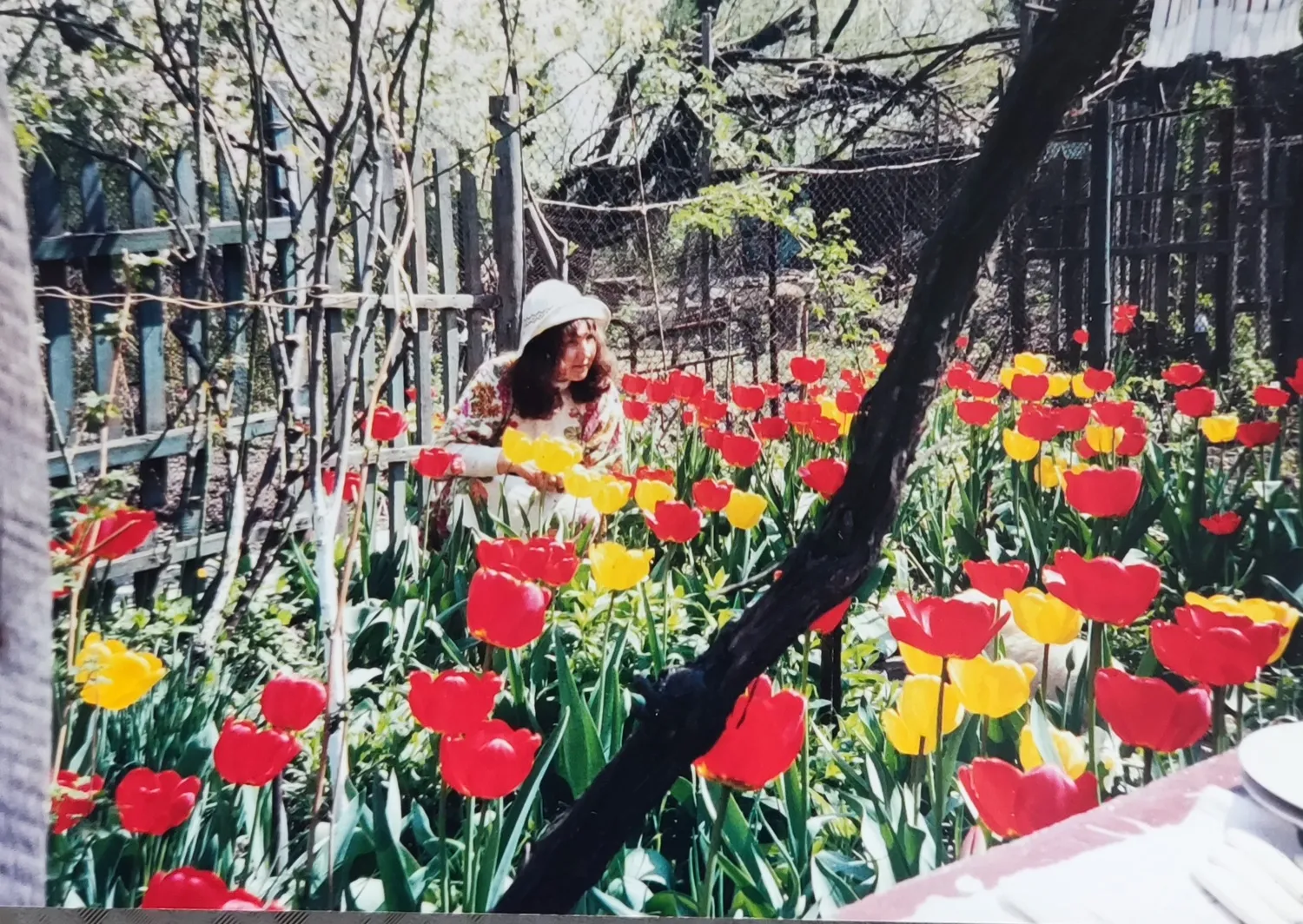
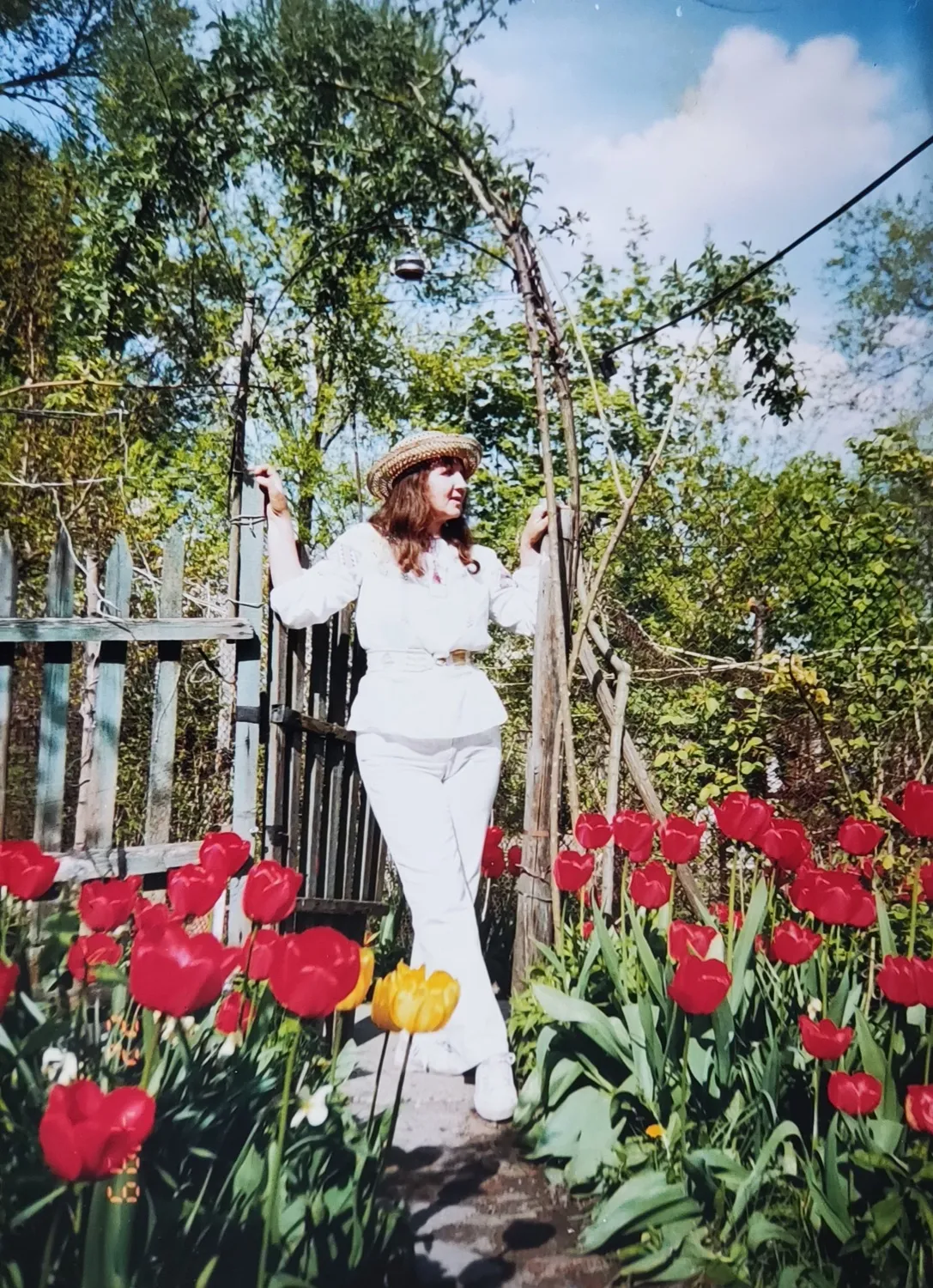
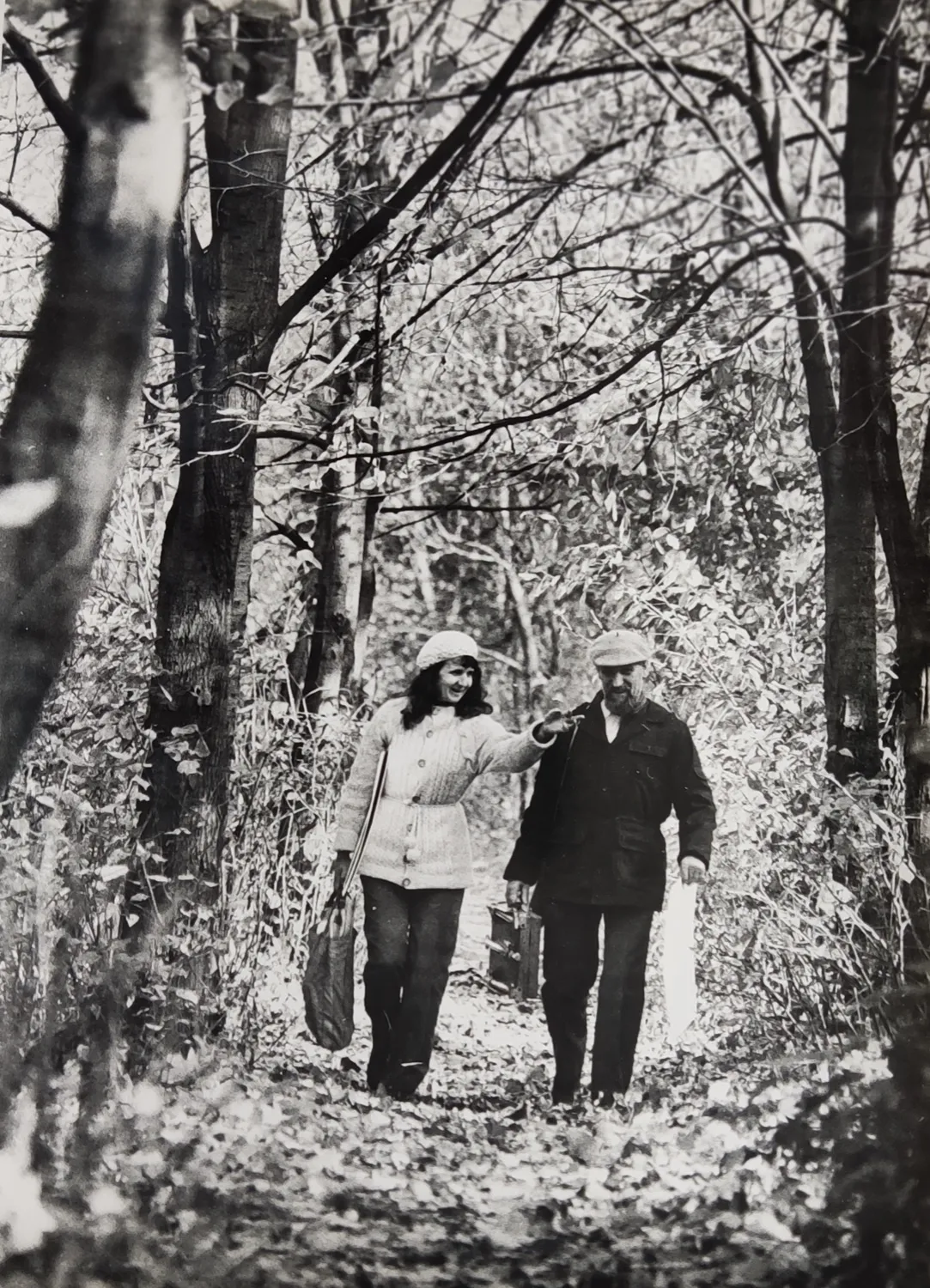
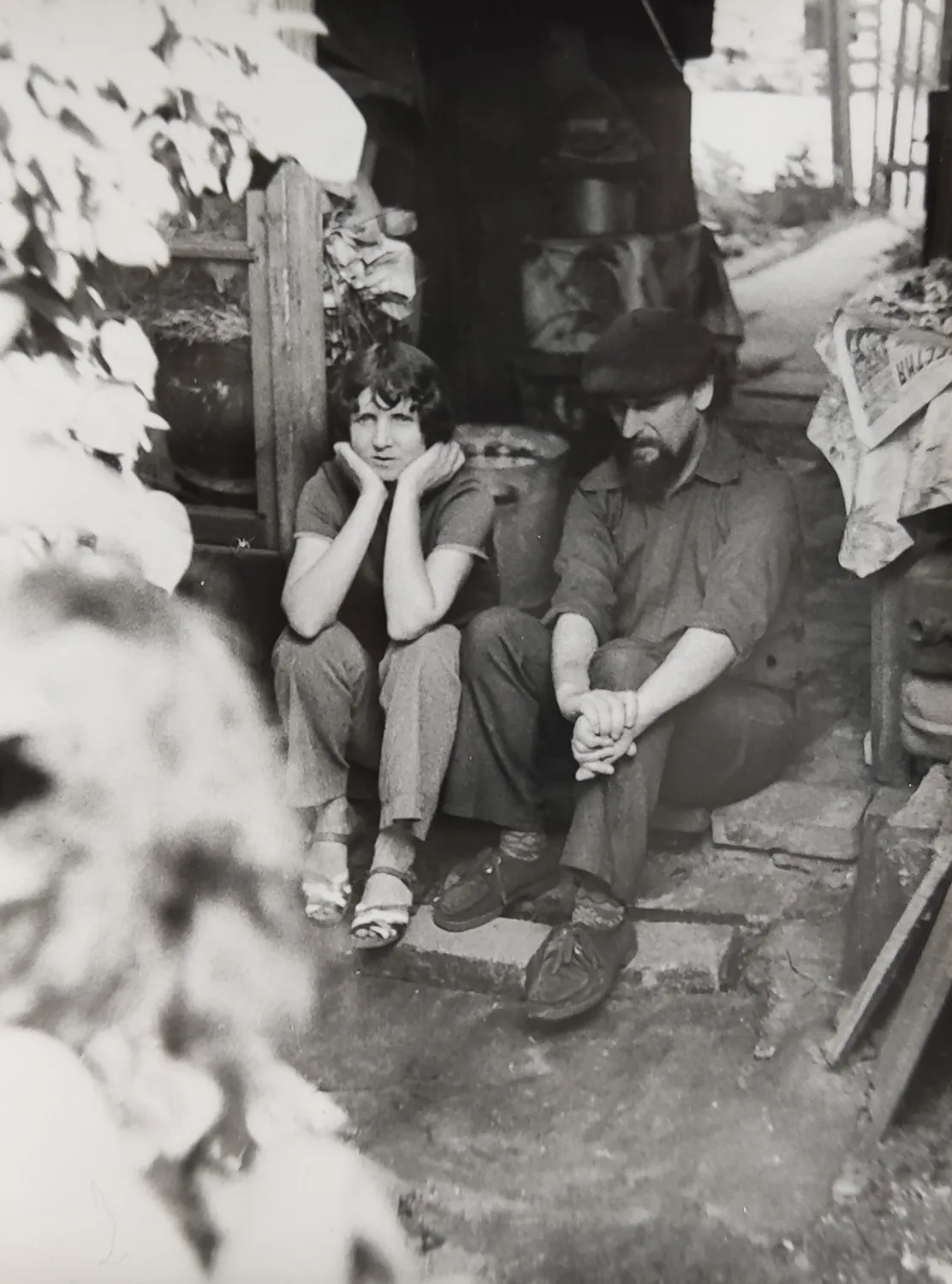
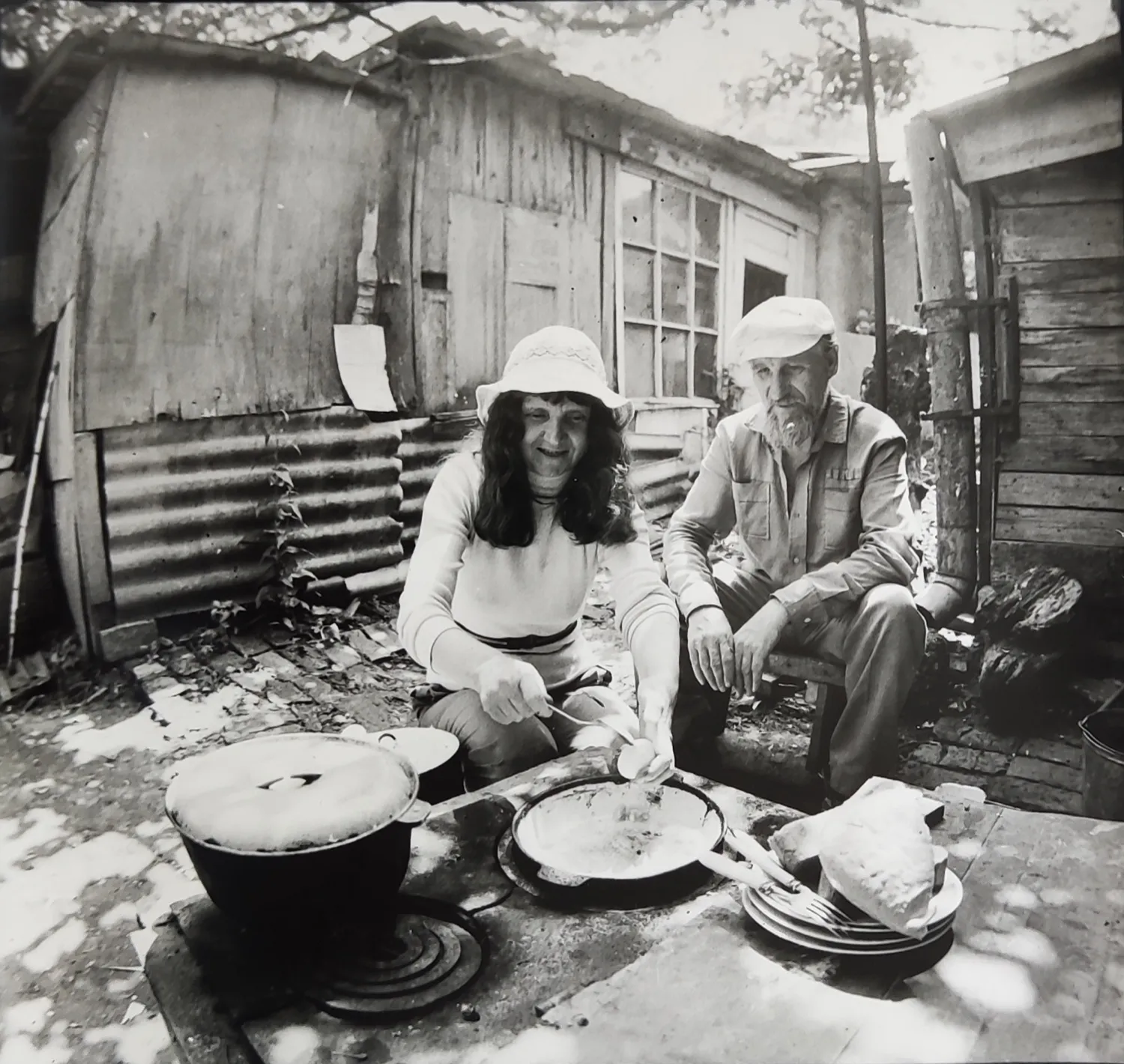
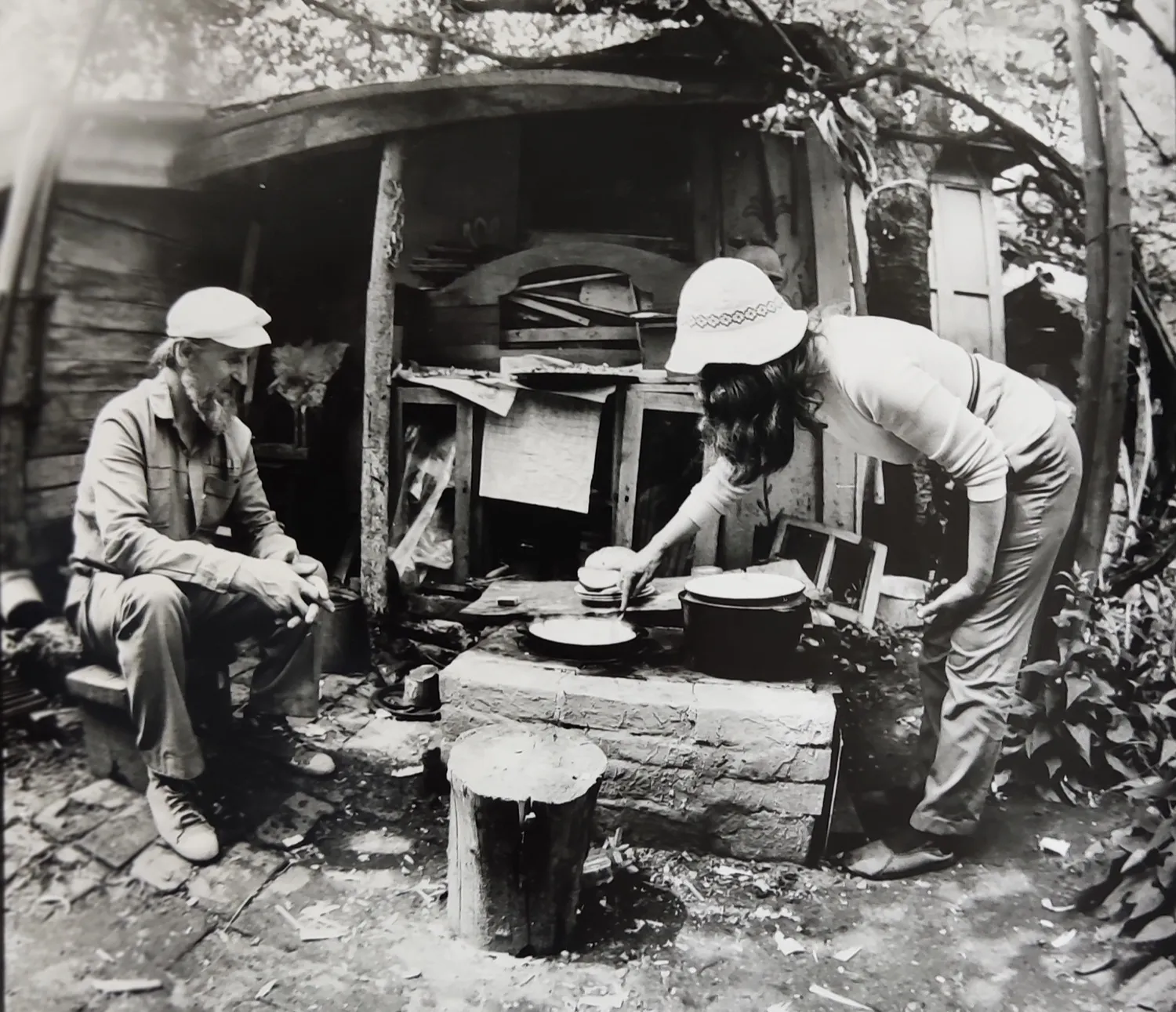
Working together was also a way of life: plein-airs and travels, the garden in spring, simple summer living, long walks. These frames are the background against which the painting was born.

In spring, in the garden
At the garden gate
At the garden gate
On a walk in the autumn woods
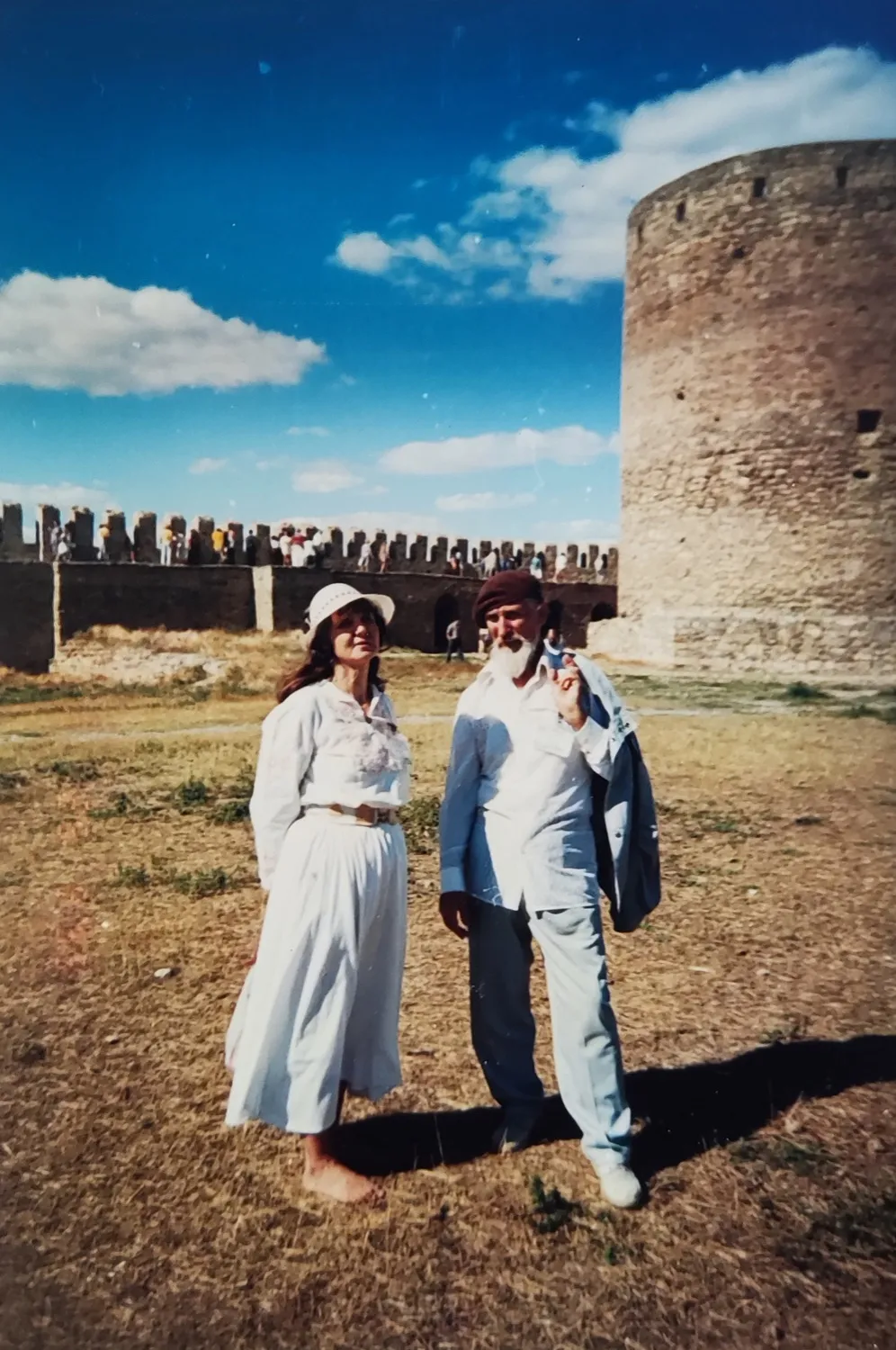
On a trip, by the fortress walls
In the studio yard
In the studio yard
Summer living under the open sky
By the summer hearth

Preserving the legacy

The creation of the Grev Kafi Museum in 2015–2020 was a practical response to the task of preserving the legacy. The museum provides professional storage, systematization, study and open presentation of the collection.

The trigger was the fate of the collection itself: for a long time the works were kept in an unsuitable space and suffered from dampness, dust and temperature changes. A dedicated museum building became a way to preserve an entire artistic world and open it to the visitor.

More about the museum

Symbolism as a system of ideas

A shared language about the human being and culture

Symbolism in Grev Kafi functions as a common language through which the artists speak about nature, the human being, culture, historical memory and philosophical ideas. Different traditions are not opposed to one another here, but reveal shared human values: dignity, compassion, measure, responsibility, hope and the striving for knowledge.

Grev Kafi symbolic composition
Mythical symbolism

Works with humanity's cultural memory and images of myth, such as Isis, Orpheus, Mother of the World, Prometheus, Hermes Trismegistus, Vision of the Virgin Mary, Transition, The Androgyne, In the Ninth Heaven and others.

Symbols: sun, moon, circle, tree of life, ouroboros serpent, Egyptian and Vedic signs

Religious symbolism

Interprets world traditions as a history of moral thought and spiritual culture. Paintings such as Moses, Solomon, Krishna, Christ Is Risen, Buddha, Saint, Trinity, Sergius of Radonezh should be perceived primarily culturally and philosophically.

Symbols: cross, angels, lotus, sacred fire, flute, signs of Vishnu and others

Mystical symbolism

Speaks about the inner life of the human being, hope, moral support, the striving toward light and meaning. Works such as The Call, Hermit, Eternity, Abode of Light, Dream, Prayer, Messenger of Light are open to cultural, philosophical and personal reading.

Symbols: light, concentric circles, sacred waters, sacred femininity, mystical arcana, circles and spirals

More in the “Collection” section

How to read Grev Kafi’s painting

Grev Kafi's paintings are best read in a cultural-philosophical and art-historical key. Their symbolism is not reduced to a code with one answer and does not require a predetermined position from the viewer.

The practical approach is simple: first perceive the work as a whole - its light structure, rhythm and compositional center; then identify the supporting image and mood; only after that move to the layers of meaning. This allows the painting to open naturally: aesthetically and intellectually at the same time, without pressure and without imposed interpretations.