Guided tours
Individual and group visits for those discovering symbolism for the first time or wishing to understand the collection more deeply.
Museum of Symbolism · Chișinău
The Grev Kafi Museum preserves and presents the legacy of the artistic duo Grigory Kabachnyi and Evdokia Fidelskaya. Here painting, symbol, cultural philosophy and museum education meet in a calm dialogue with the visitor.
Museum of Symbolism · Chișinău
The museum keeps over 700 works about beauty, memory and inner human dignity.
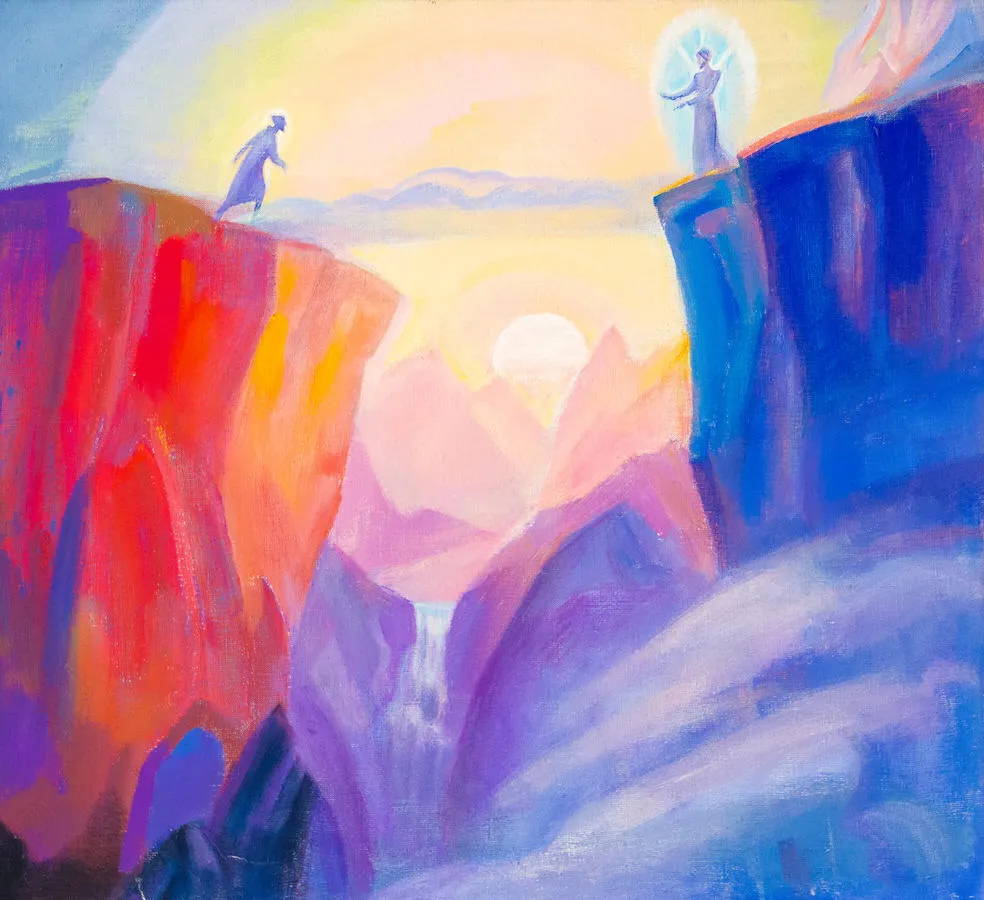
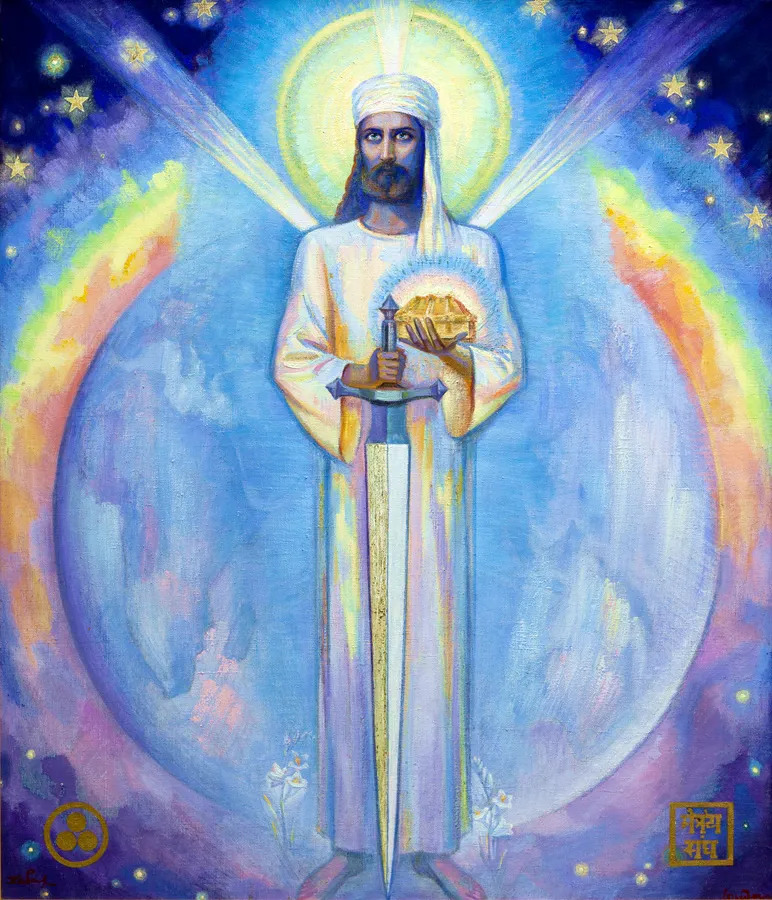
Their painting unites academic schooling, a wealth of symbolic imagery and philosophical reflection on the human being, culture and the inner path. The collection holds landscapes, still lifes, portraits and large symbolic cycles inspired by mythology, world traditions and the history of ideas.
The museum invites you not only to look at the paintings, but to read them as a language of culture. Here art becomes a space of dialogue between viewer, image and meaning — with no imposed interpretations.
What you can see
Start with familiar, approachable genres — landscape, flowers, portrait — and move gradually to the symbolic compositions. You need not know all the symbols in advance: attentive looking is enough.
The whole collection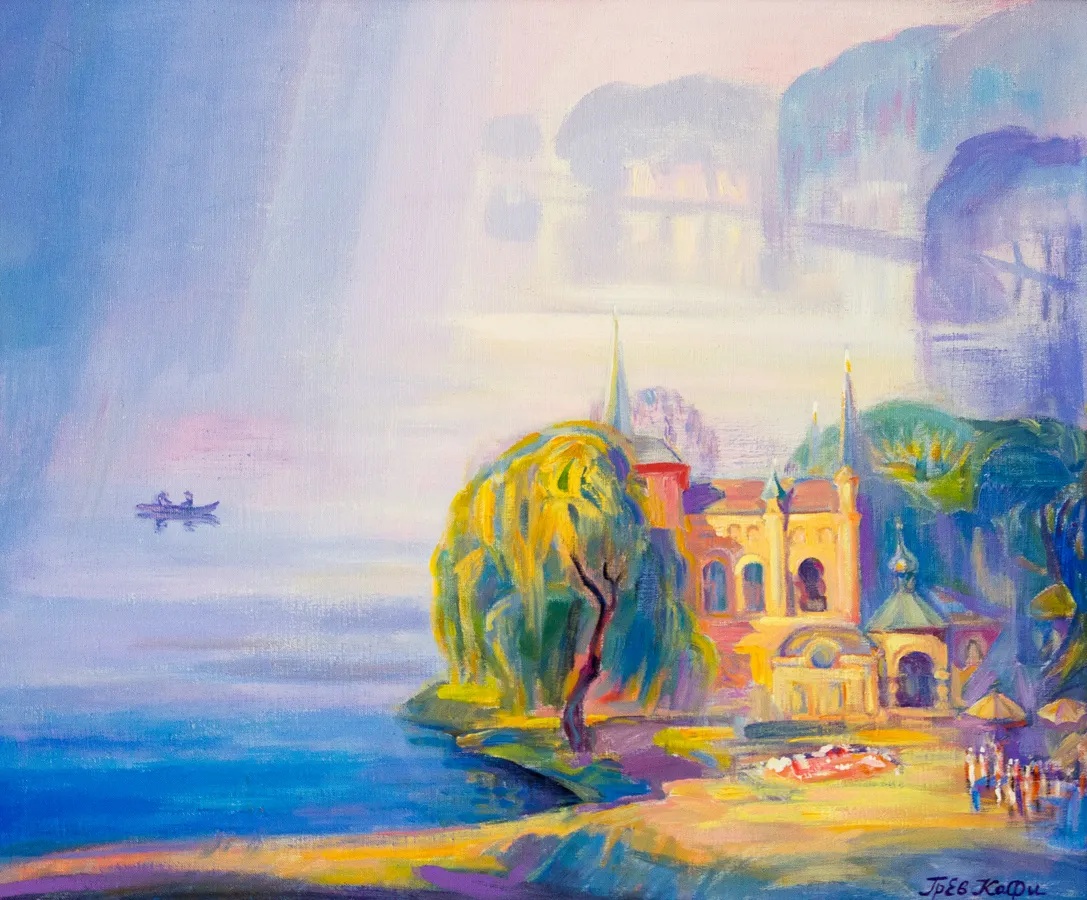
Why it matters
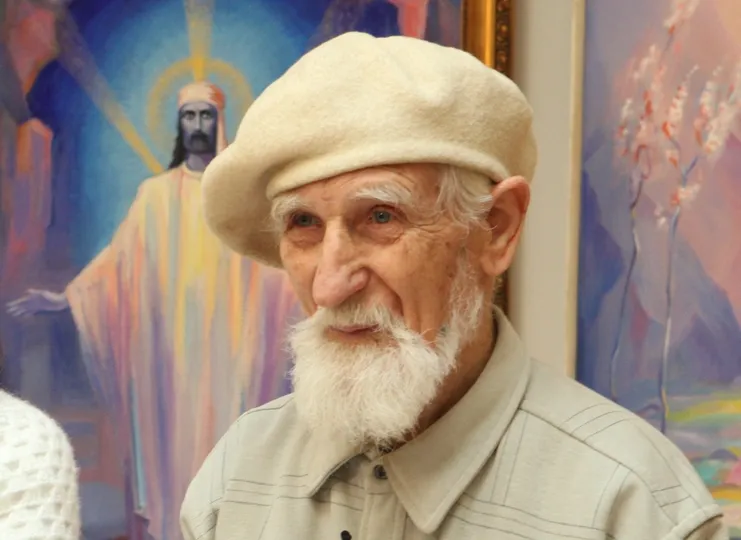
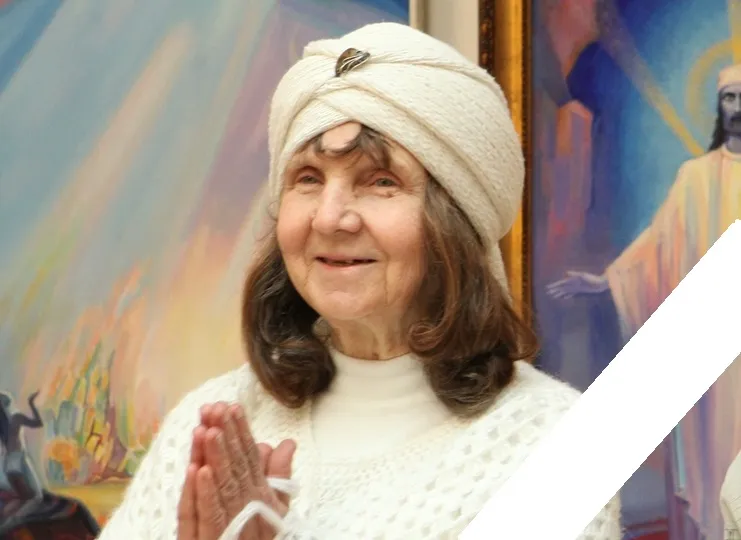
«Grev Kafi is the artistic pseudonym of the spouses and co-authors Grigory Kabachnyi and Evdokia Fidelskaya.»
Their art formed at the intersection of academic painting and a symbolist understanding of culture. Landscape, still life, portrait, architectural motif and symbolic composition come together into a complete artistic language about the human being, memory, beauty and the inner path.
From the archive
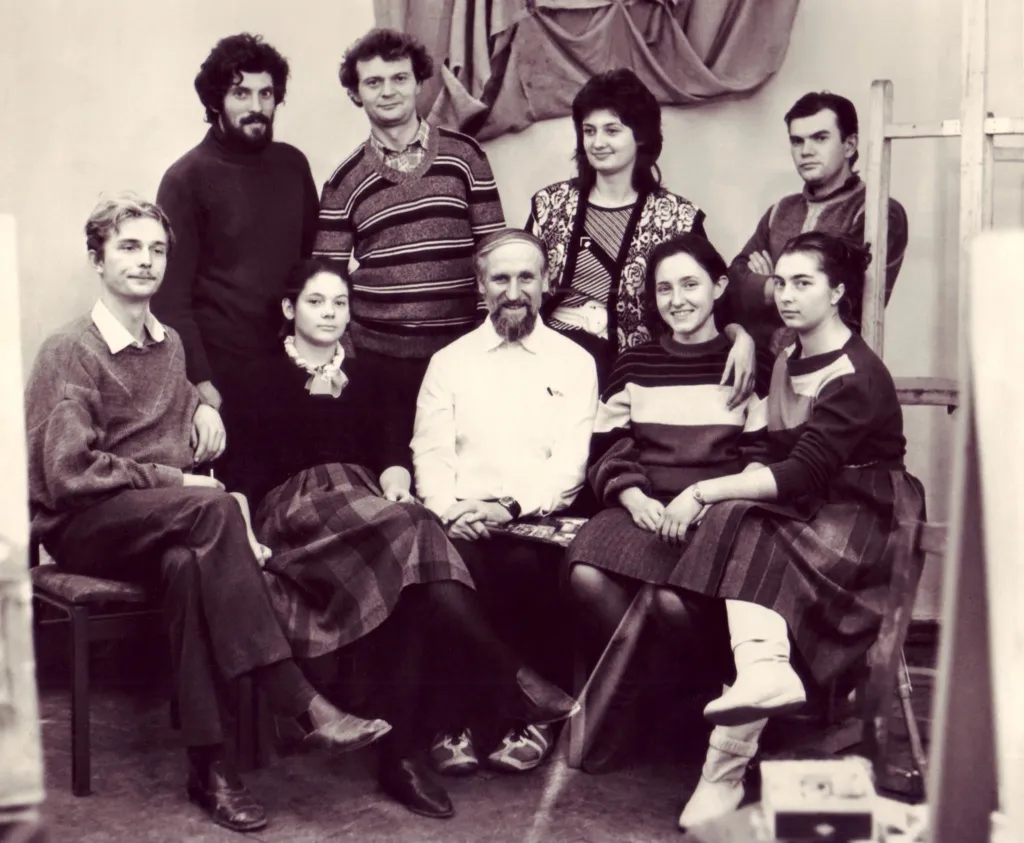
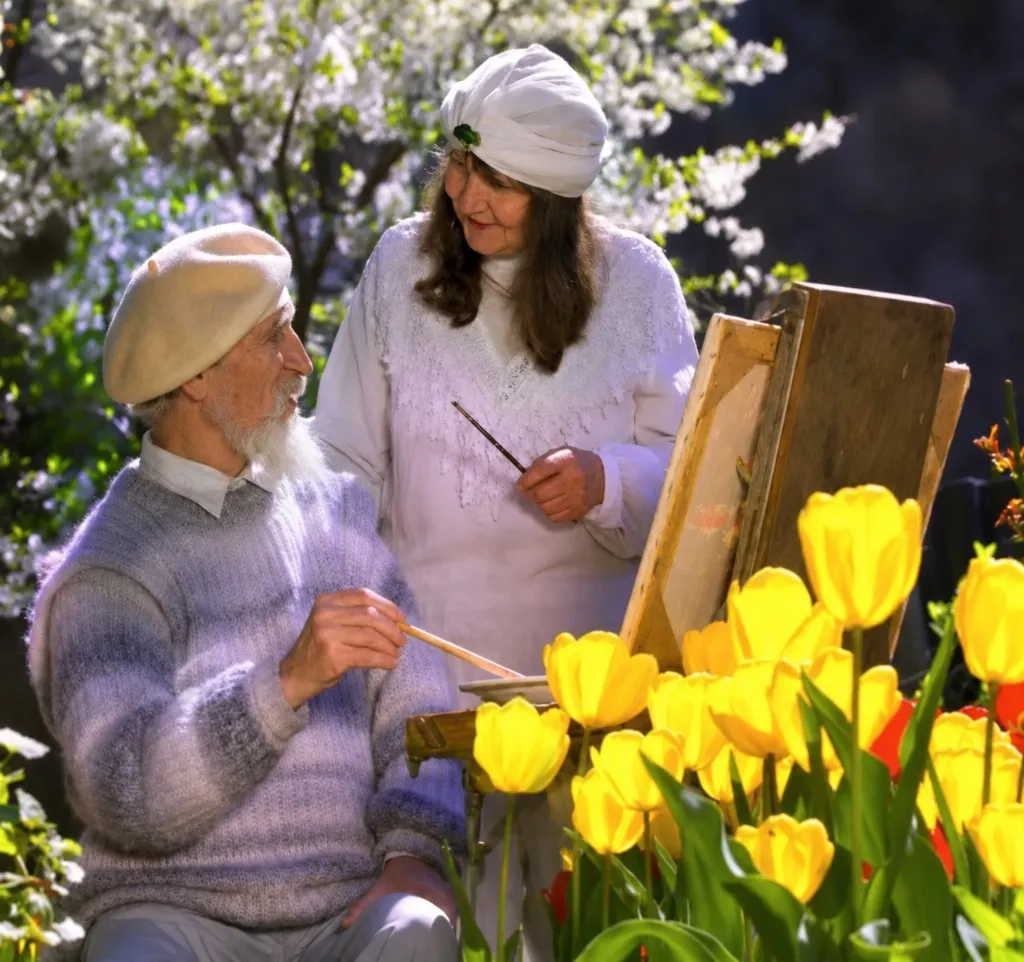
Documentary frames from the museum archive: plein-air by the water, the studio and the exhibition hall — the setting in which the “four hands technique” was born.
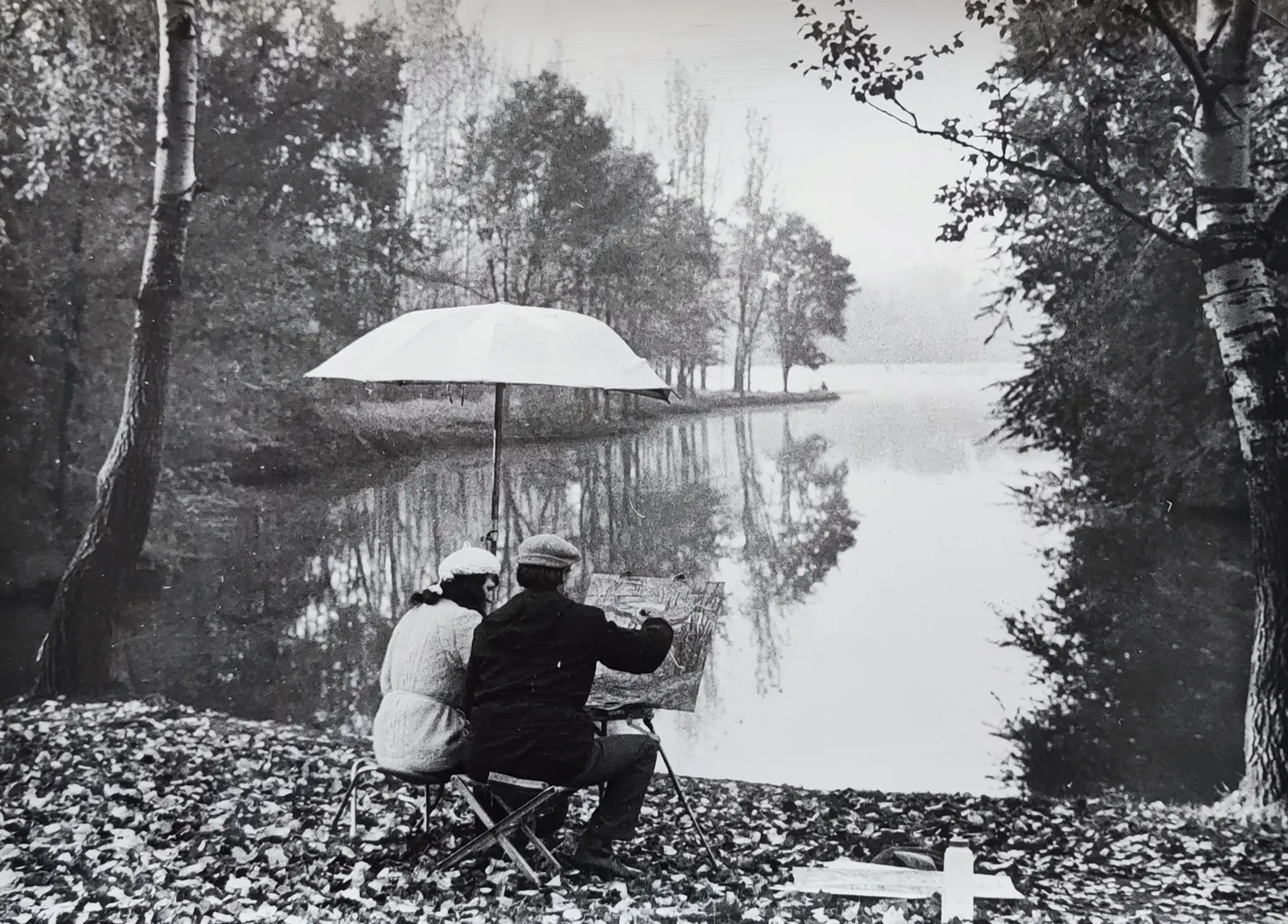
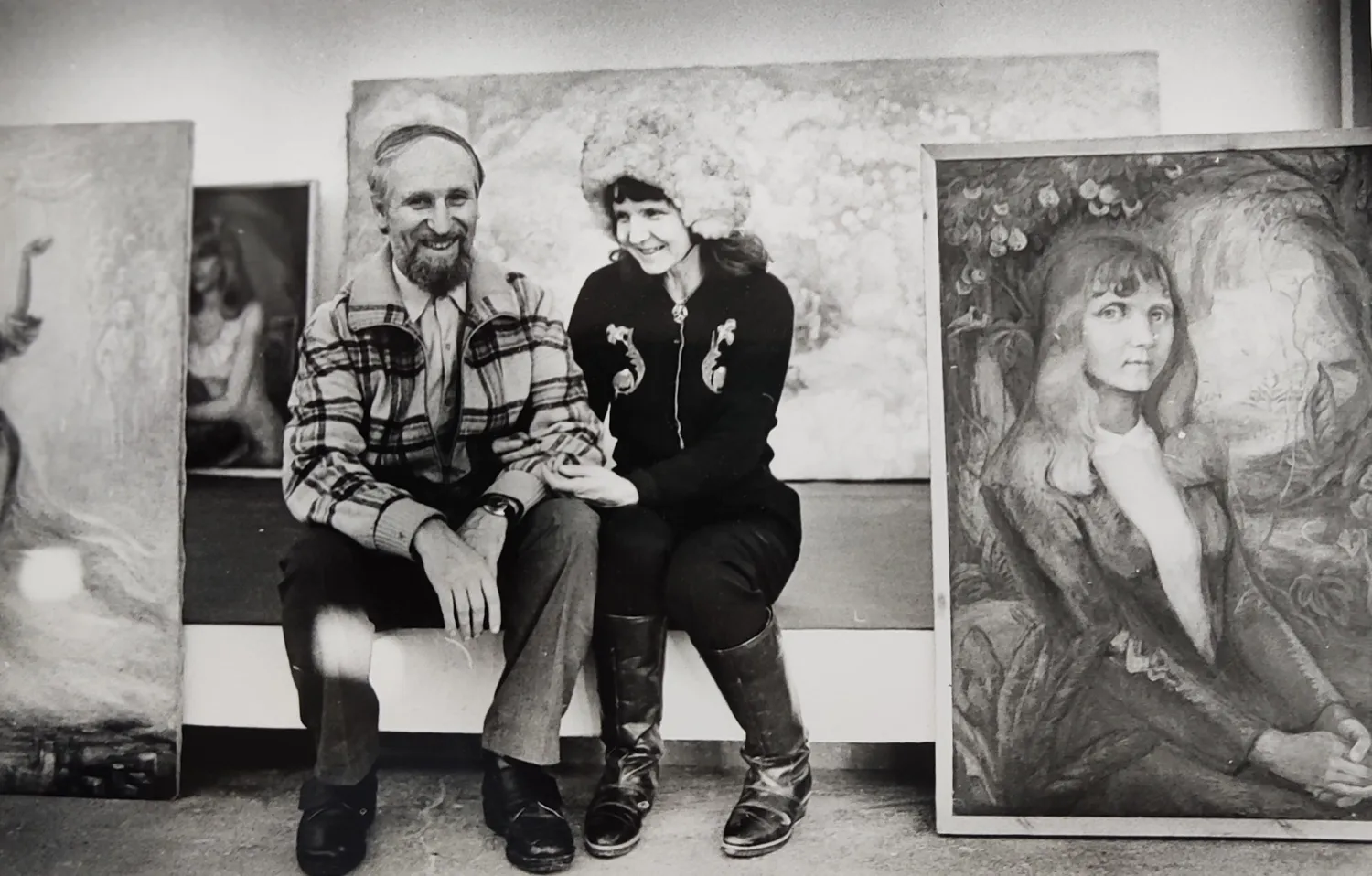
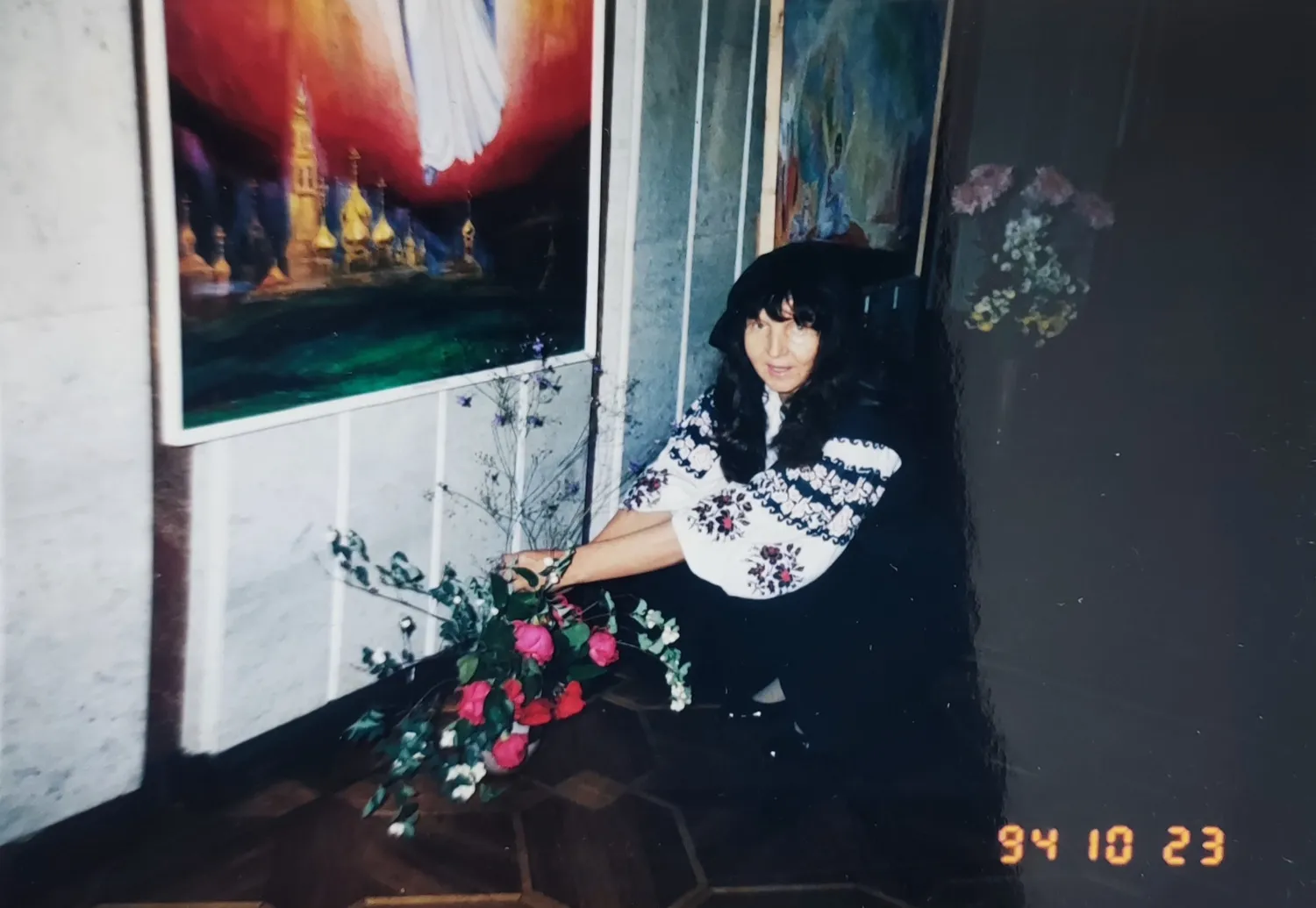
«Grev Kafi is the artistic pseudonym of the spouses and co-authors Grigory Kabachnyi and Evdokia Fidelskaya.»
Grigory and Evdokia
The Collection as an Artistic World
Intimate works and large canvases, oil, tempera, gouache and watercolour — a flexible language for different tasks: from a living impression to a monumental symbol.
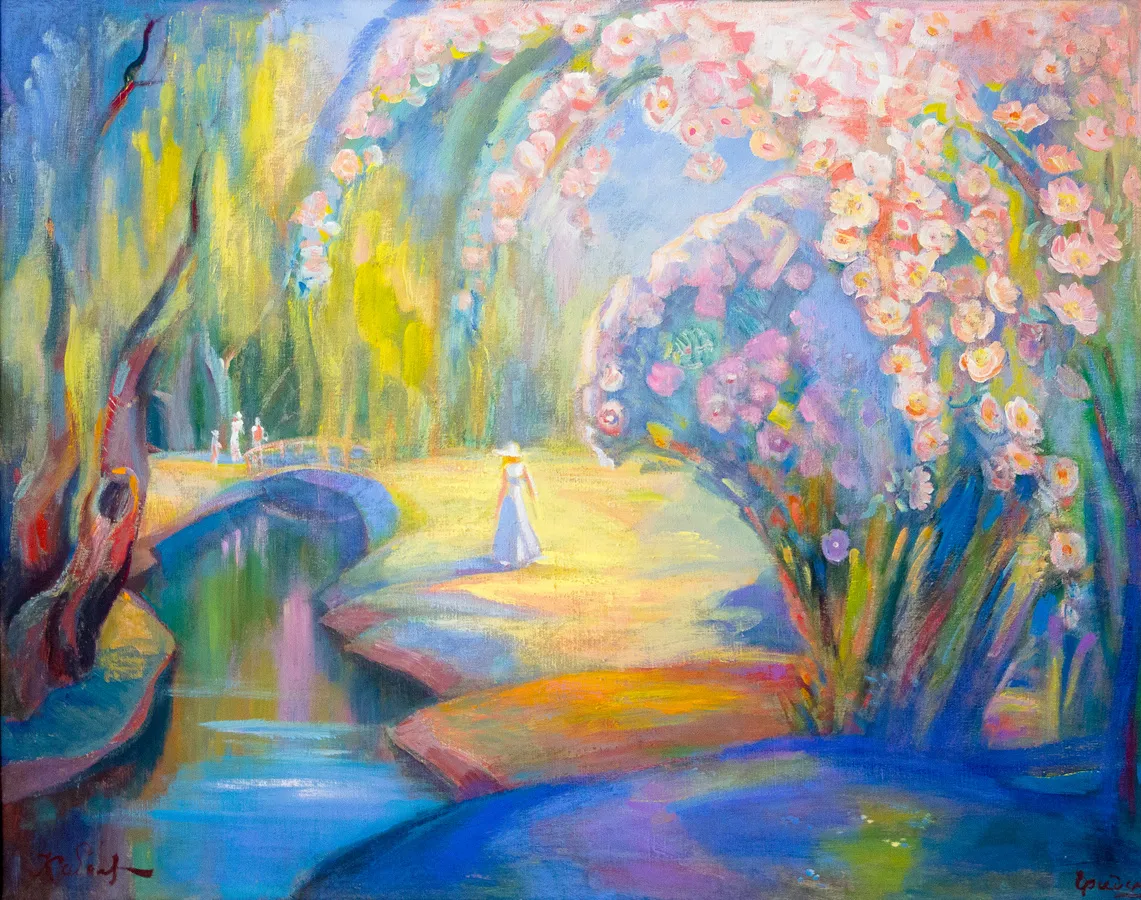
A school of light, space and living observation. The Tian Shan and Issyk-Kul mountains, the banks of the Dniester, Chișinău, Orheiul Vechi, Kamianets-Podilskyi — each place becomes an experience of contemplation.
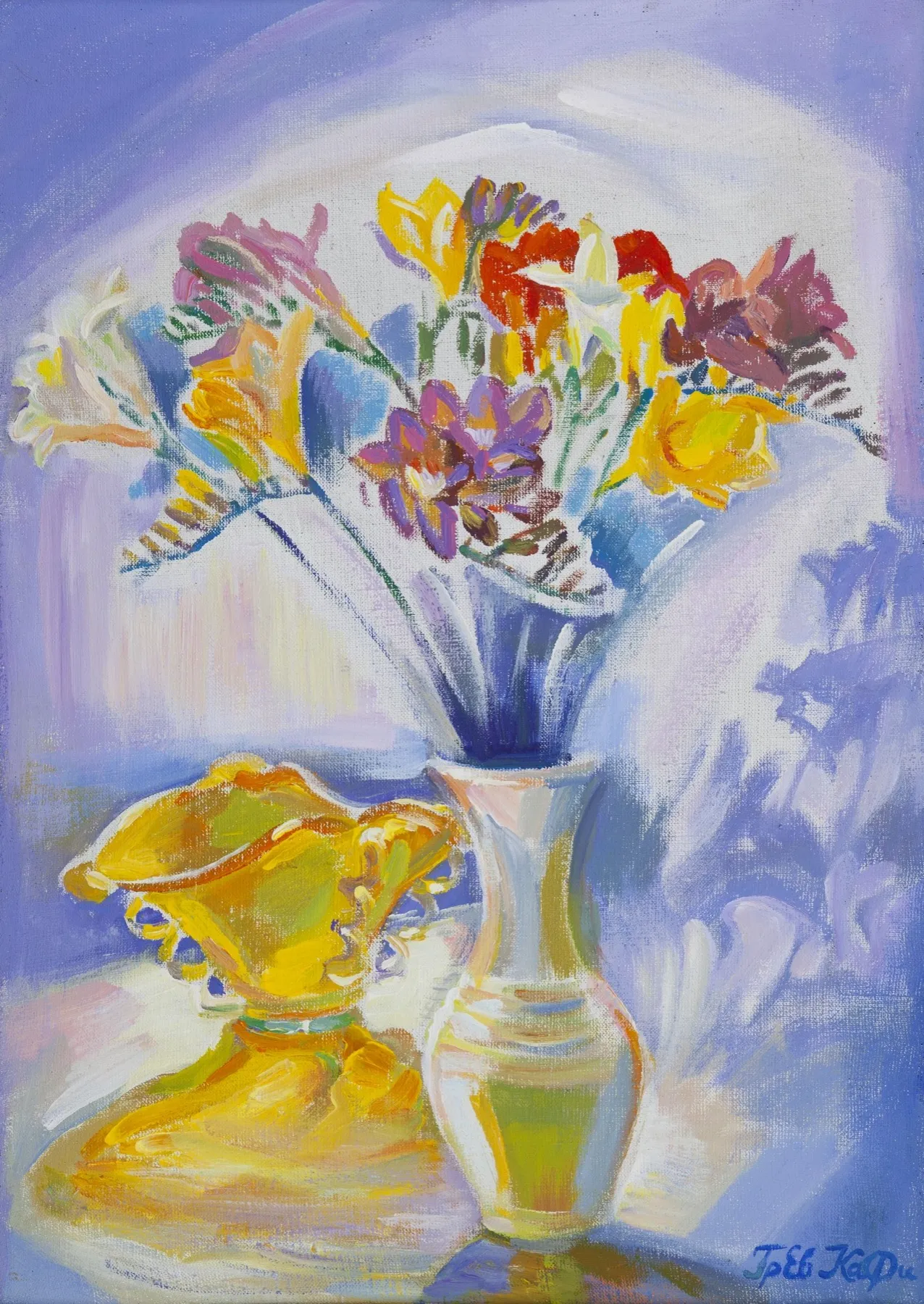
A laboratory of colour, form, texture, compositional rhythm and harmony. Here the artists honed their sense of light and the material beauty of the world.
The path from line and sketch to conveying character, emotion and the inner state of a person — from study to human presence.
The cultural landscape as memory of place and time. Cityscapes and architectural motifs, where the space of culture is felt as a living heritage.
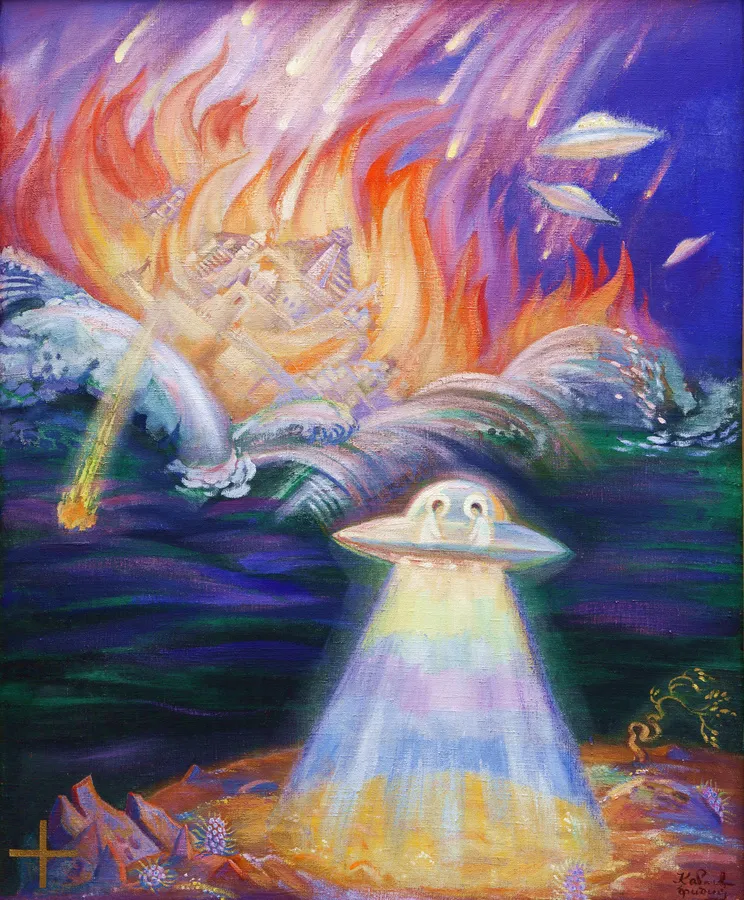
Ancient Egypt, antiquity, Atlantis, archetypes and cultural memory. Mythology is read as a shared language of humankind — not as a statement, but as cultural material.
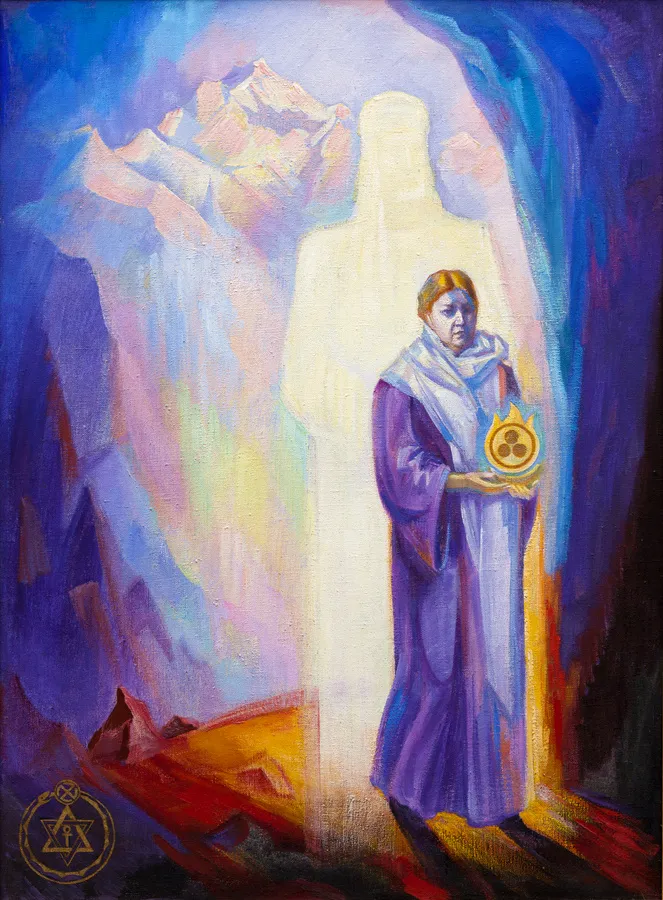
World traditions as a history of moral thought and spiritual culture: Christianity, Buddhism, Hinduism, Islam, Zoroastrianism — in the language of art and shared values.
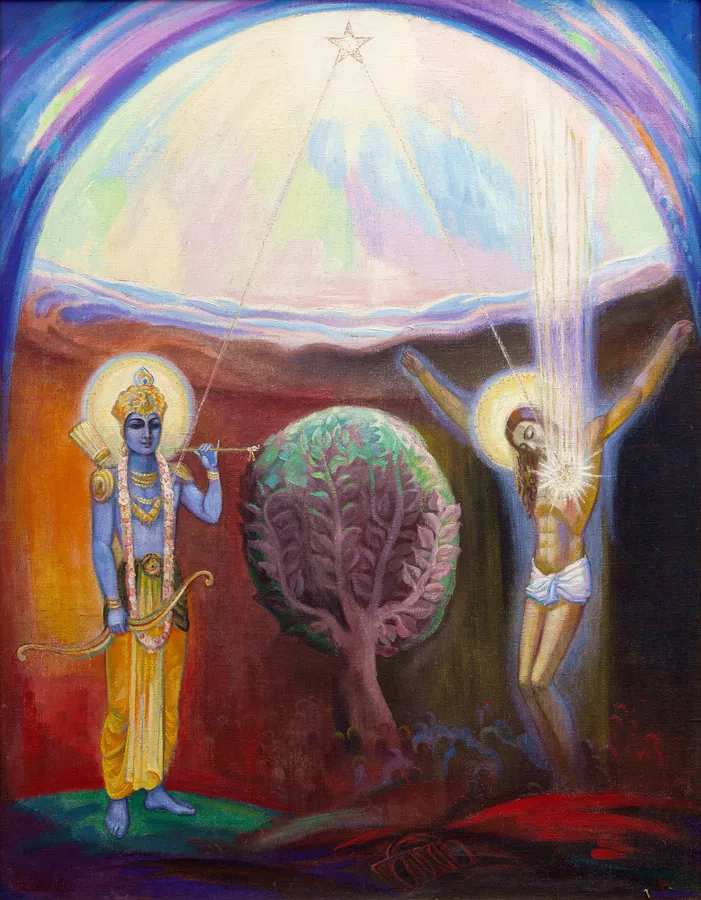
The inner path of the human being, responsibility, balance, inspiration, light and hope. Art as an experience of contemplation and inner support.
Large symbolic series in which a unified artistic thinking takes shape: from spiritual teachings to the archetypes of the Tarot and lyrical watercolour.
From the collection
Landscape, still life, watercolour and symbolic composition — click a work to view it larger.
The museum space
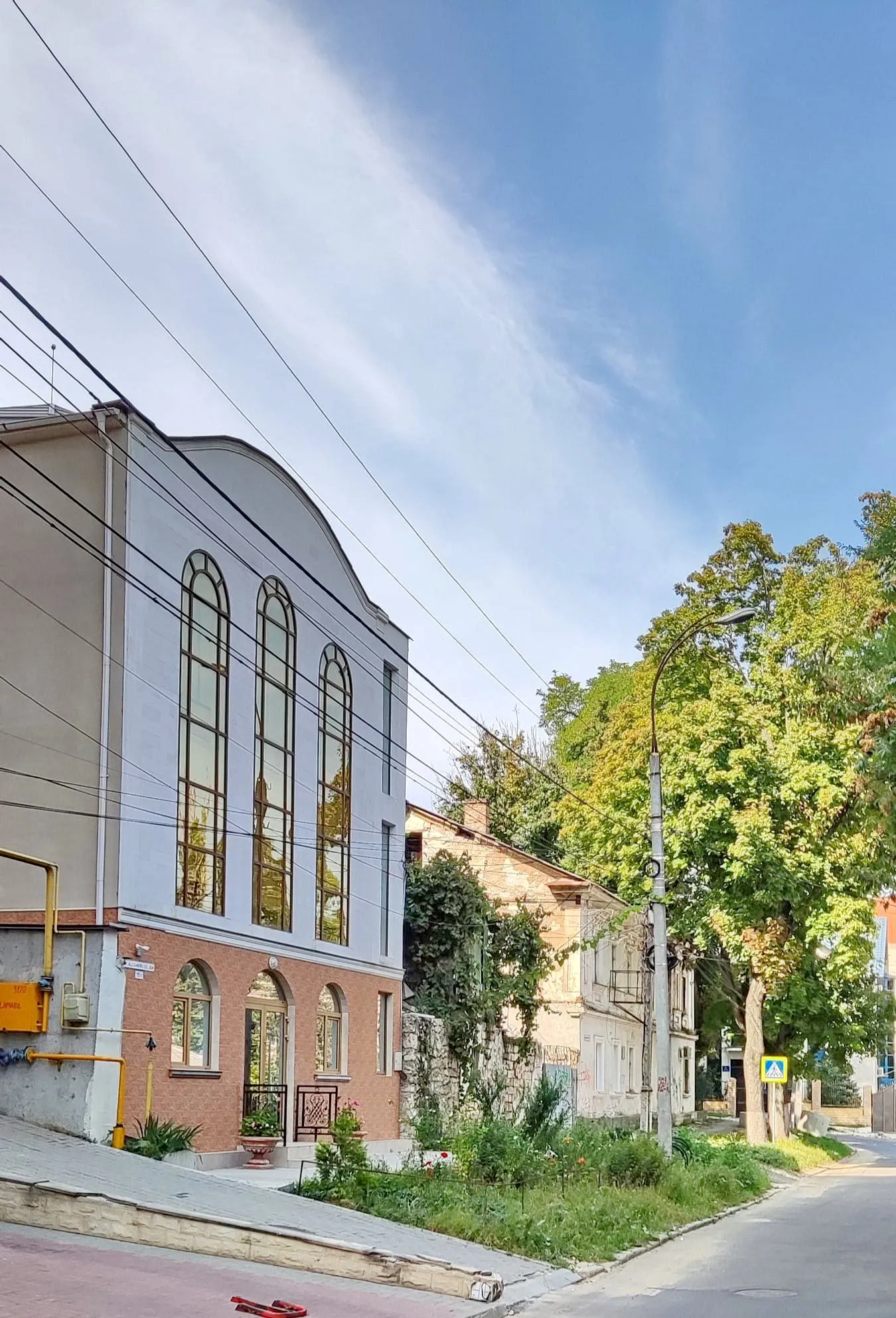
About 200 m², three exhibition halls, a hall for chamber events and a reading room — a building of its own in central Chișinău, opened in 2020.
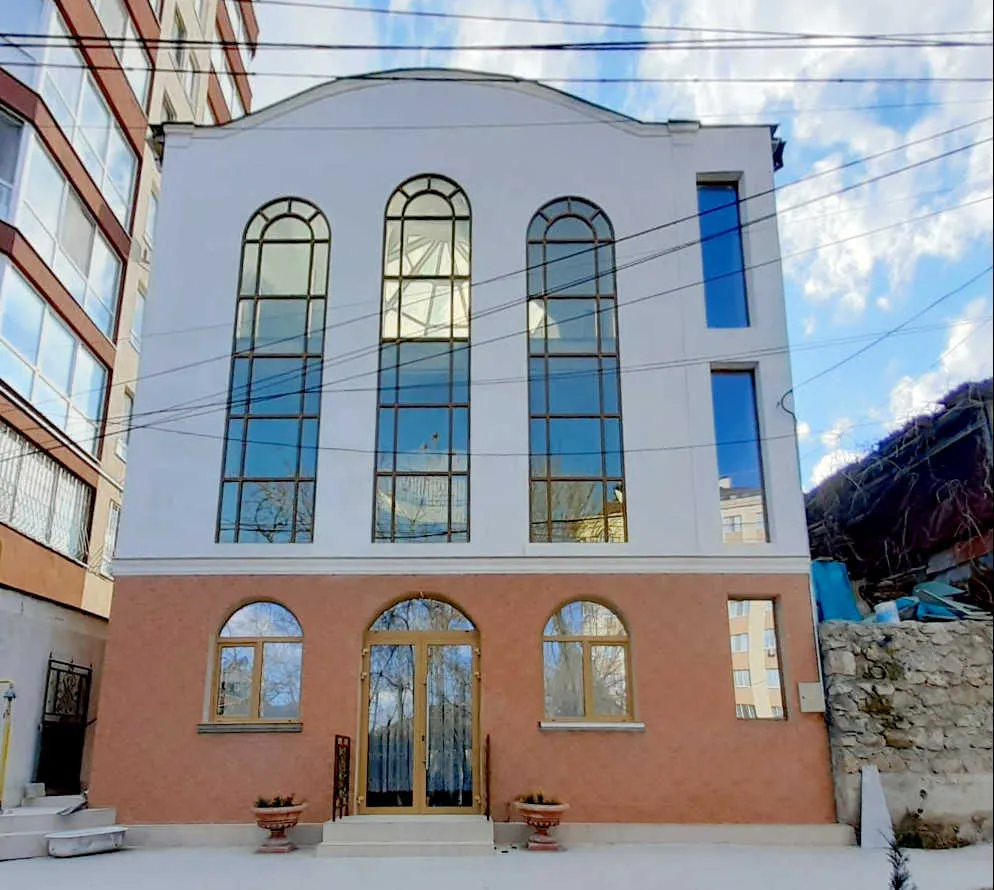
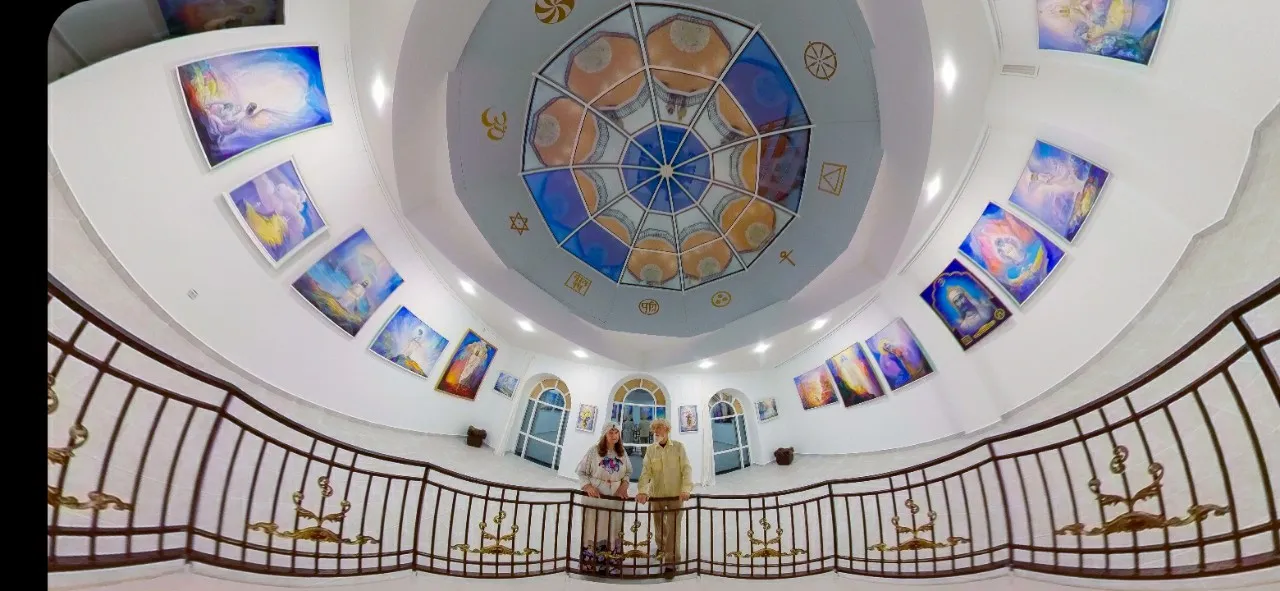
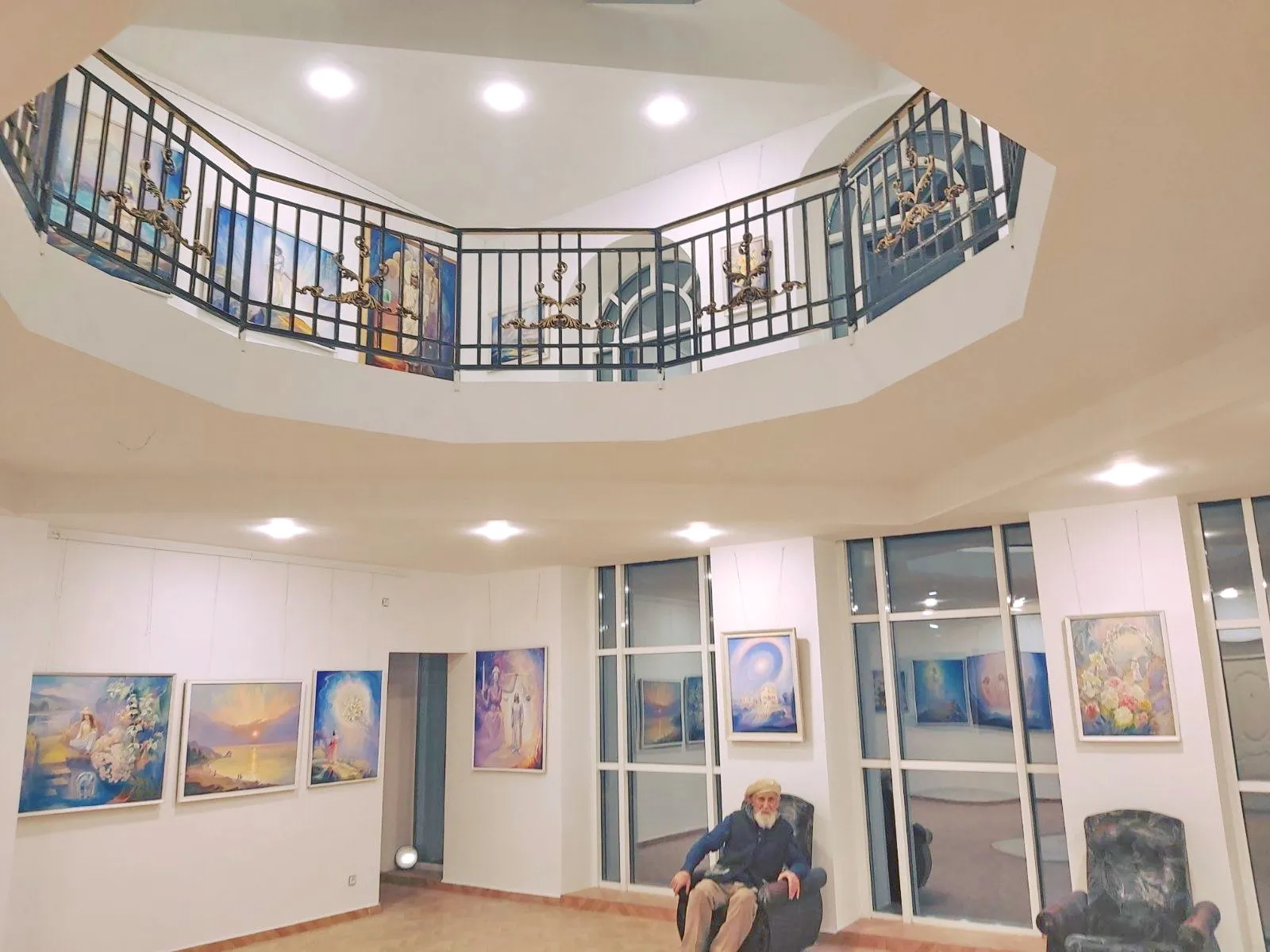
The museum as a space of culture
This is a place for tours, lectures, chamber meetings and educational programmes. Here art becomes an occasion to talk about culture, ethics, the history of ideas and human dignity.
Individual and group visits for those discovering symbolism for the first time or wishing to understand the collection more deeply.
Chamber meetings, lectures, presentations and cultural events in the museum environment.
Around 700 books on art, philosophy, symbolism and world cultural traditions.
Photography of the works is allowed, without flash.
A quiet corner for a pause after contemplation.
Postcards, albums and reproductions of works.
Who the museum is for
Even if this is your first encounter with symbolist painting, the museum remains accessible. You need not know all the symbols in advance — it is enough to look attentively and let the painting reveal its meaning gradually.
Plan your visit
Come for a calm experience of contemplation: begin with landscapes, flowers and portraits, then discover the symbolic cycles and philosophical images of the collection.
 Free entry
 Hours
Phone · Email
Formats