2014
- Decision made to establish the Grev Kafi Museum
- Preliminary design work began
- In October, the project was authorized by the Architecture Department of the Municipality of Chișinău (approved project)
About the museum
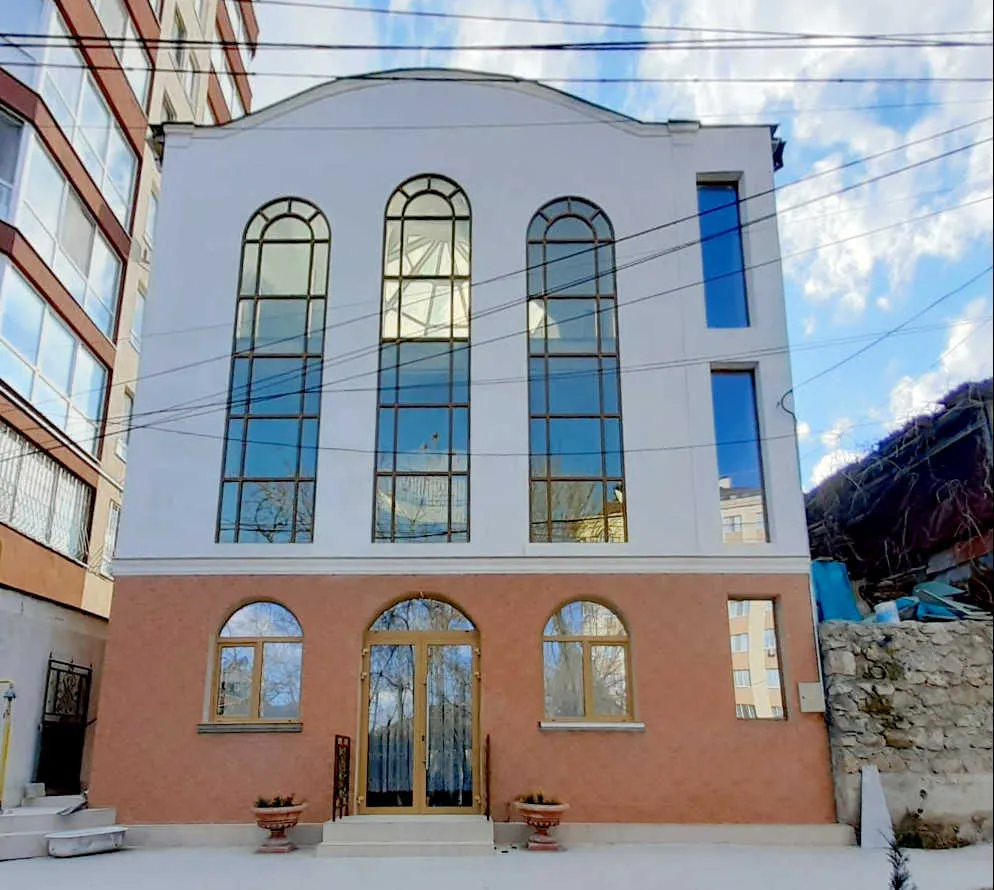
The Grev Kafi Museum is Moldova's first museum fully dedicated to symbolism in art. It brings together a permanent exhibition, archive, library and cultural-educational work.
Mission
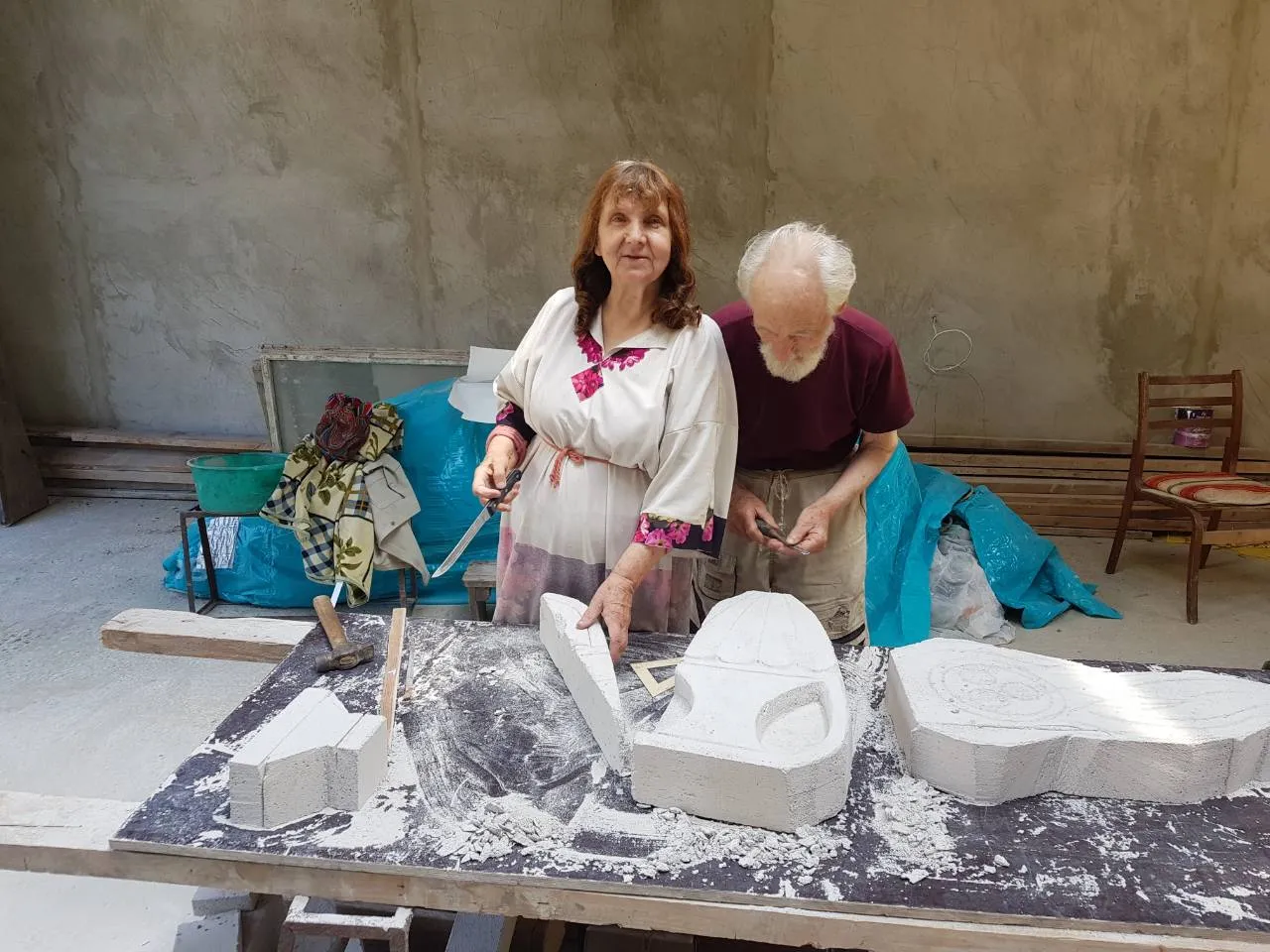
The Grev Kafi Museum was created to preserve, study and promote the artistic, cultural and philosophical legacy of Grev Kafi - the creative pseudonym of the co-author artists Grigory Petrovich Kabachnyi and Evdokia Ivanovna Fidelskaya.
The museum presents their art not only as a collection of paintings, but as a complete artistic world where painting becomes a way of reflecting on the human being, culture, nature, history and spiritual experience.
The museum's main task is to make this legacy accessible to visitors, researchers, teachers, students and everyone who seeks in art not only an aesthetic impression, but also intellectual, moral and emotional depth.
The idea of the museum became a natural continuation of Grev Kafi's many years of creative work. Over decades, a large body of paintings, studies, graphic materials, thematic cycles and archival documents was created.
Before the museum was built, the works were kept in an unsuitable space and suffered from dampness, dust and temperature changes. To save and preserve the legacy, an initiative group formed and took on the design and construction of the building.
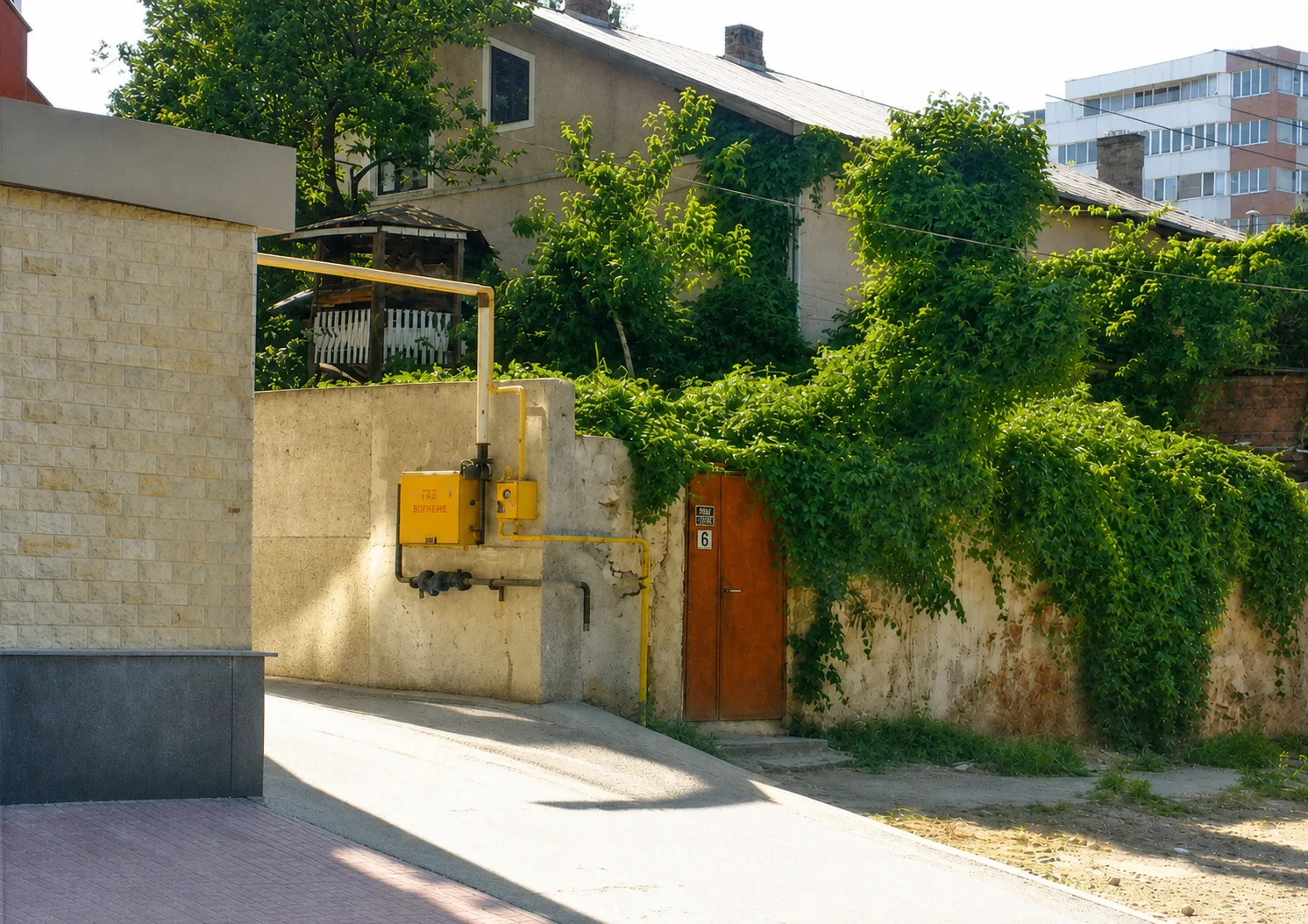
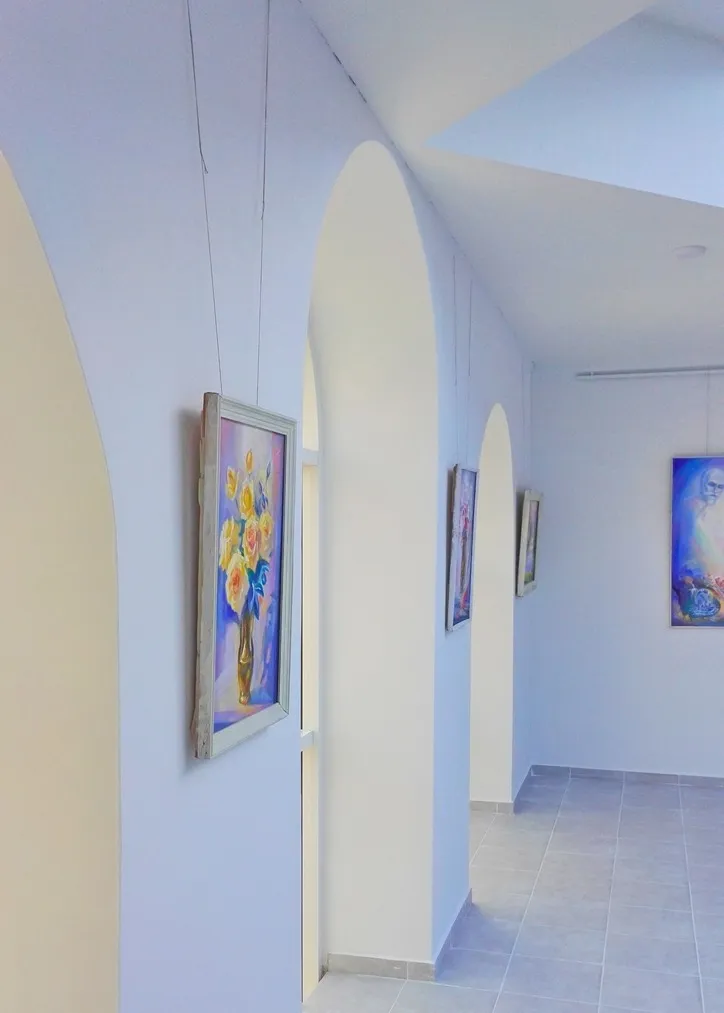
The museum is located in central Chișinău at Alexandru cel Bun 115C. It has three exhibition halls, a space for chamber events and lectures, a reading area and a library.
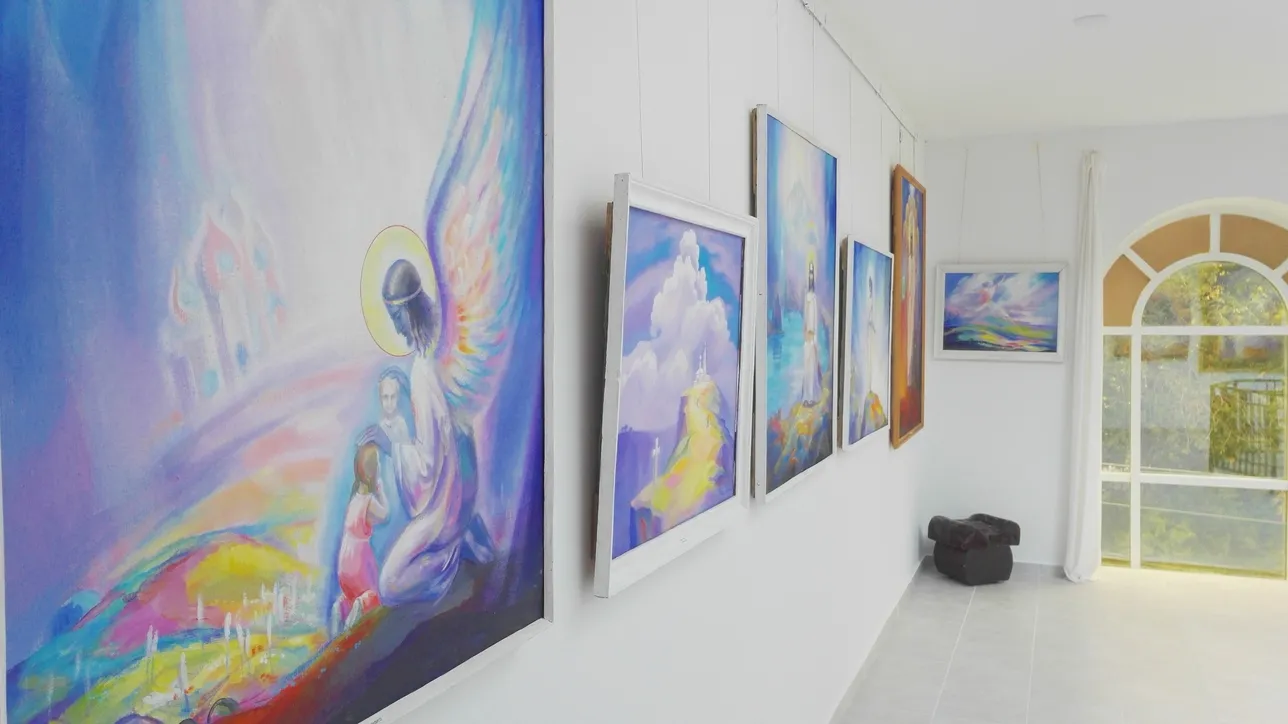
The collection includes symbolic compositions, landscapes, still lifes, portraits, architectural and urban motifs, studies and watercolor sheets. A special place is held by cycles connected with the philosophy of symbolism, cultural memory and universal themes of human experience.
The museum library contains around 700 books and supports the museum's educational and research mission. The archive helps systematize information about the works, stages of the artists' creative path, exhibitions, materials and techniques.
The museum is conceived as a living cultural and educational space: it can host tours, lectures, chamber concerts, thematic evenings, educational activities, presentations and cultural events.
The museum in figures
The museum is located in central Chișinău, at Alexandru cel Bun St. 115C. It has three exhibition halls, a space for chamber events and lectures, a reading area and a library.
What the museum offers
The museum is organized as an intimate but content-rich environment. Visitors can begin with a general introduction to Grev Kafi's work and then move on to individual cycles, genres and themes. Available here:
The museum offers not ready-made answers, but an experience of attentive contemplation and dialogue. The same symbol can be an aesthetic form, cultural memory, philosophical metaphor or the visitor's personal experience.
History of its creation
Before the museum was built, the works were kept in an unsuitable space and suffered from damp, dust and temperature swings. To save the legacy, an initiative group was formed that took on the design and construction of the building.
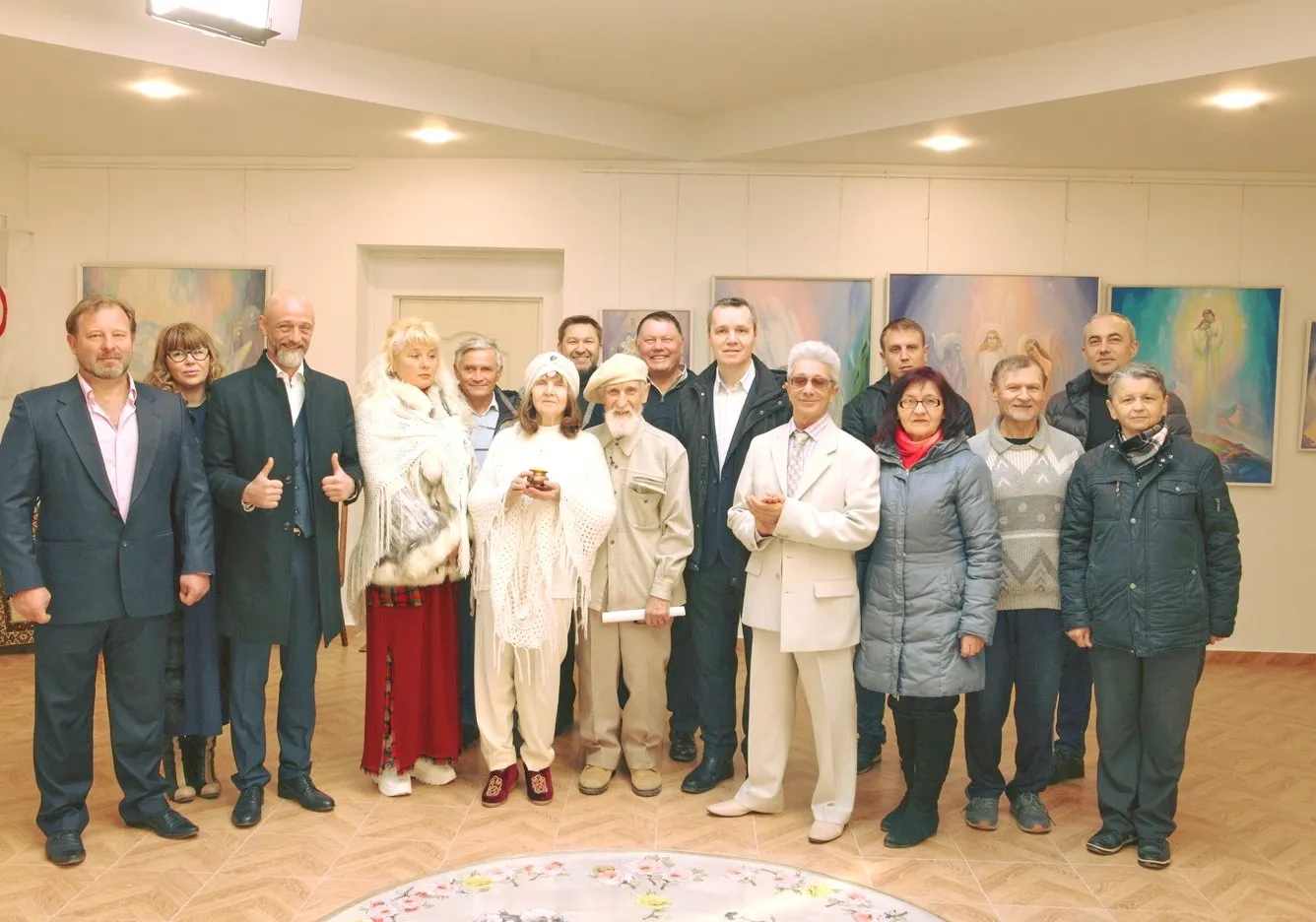
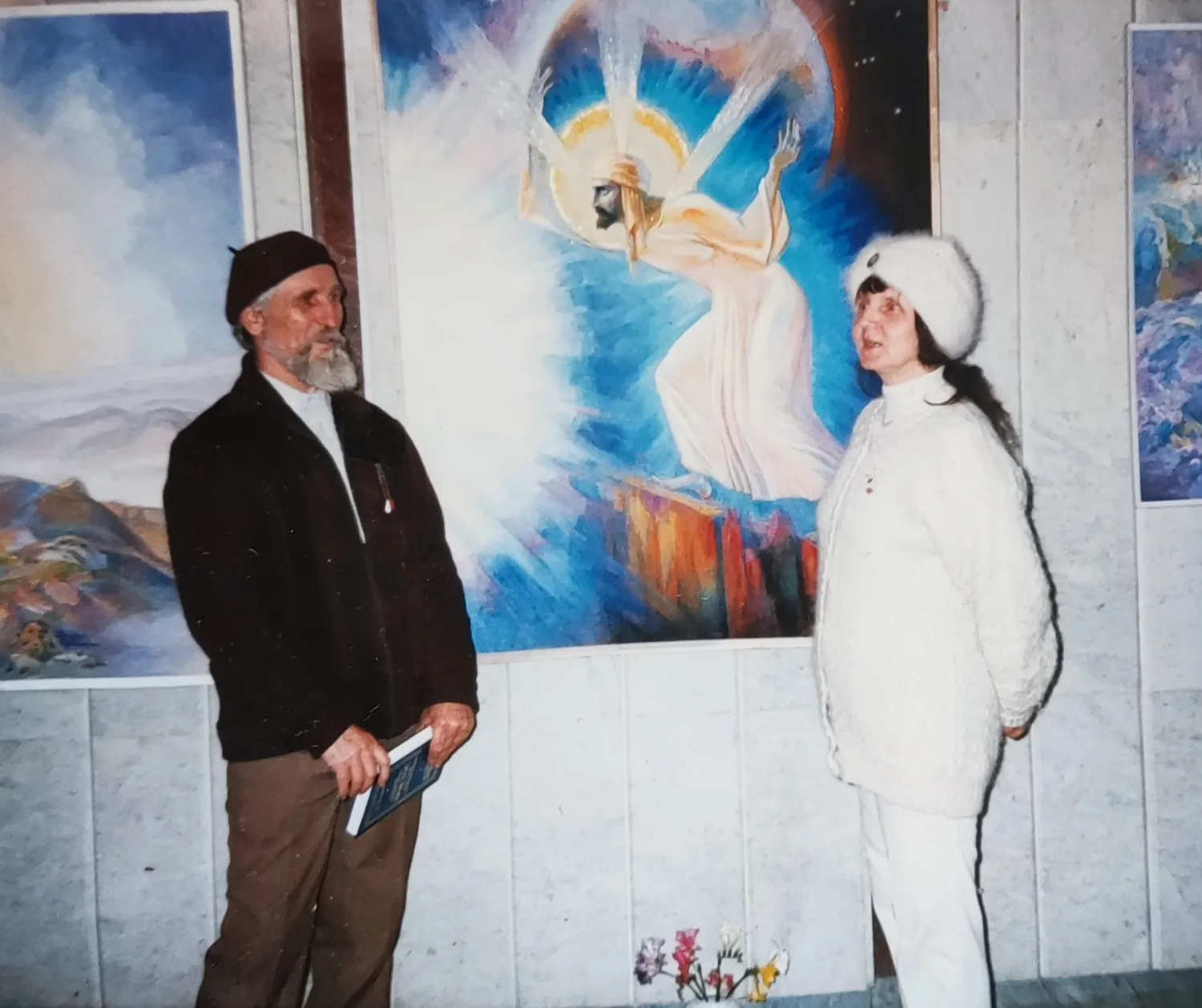
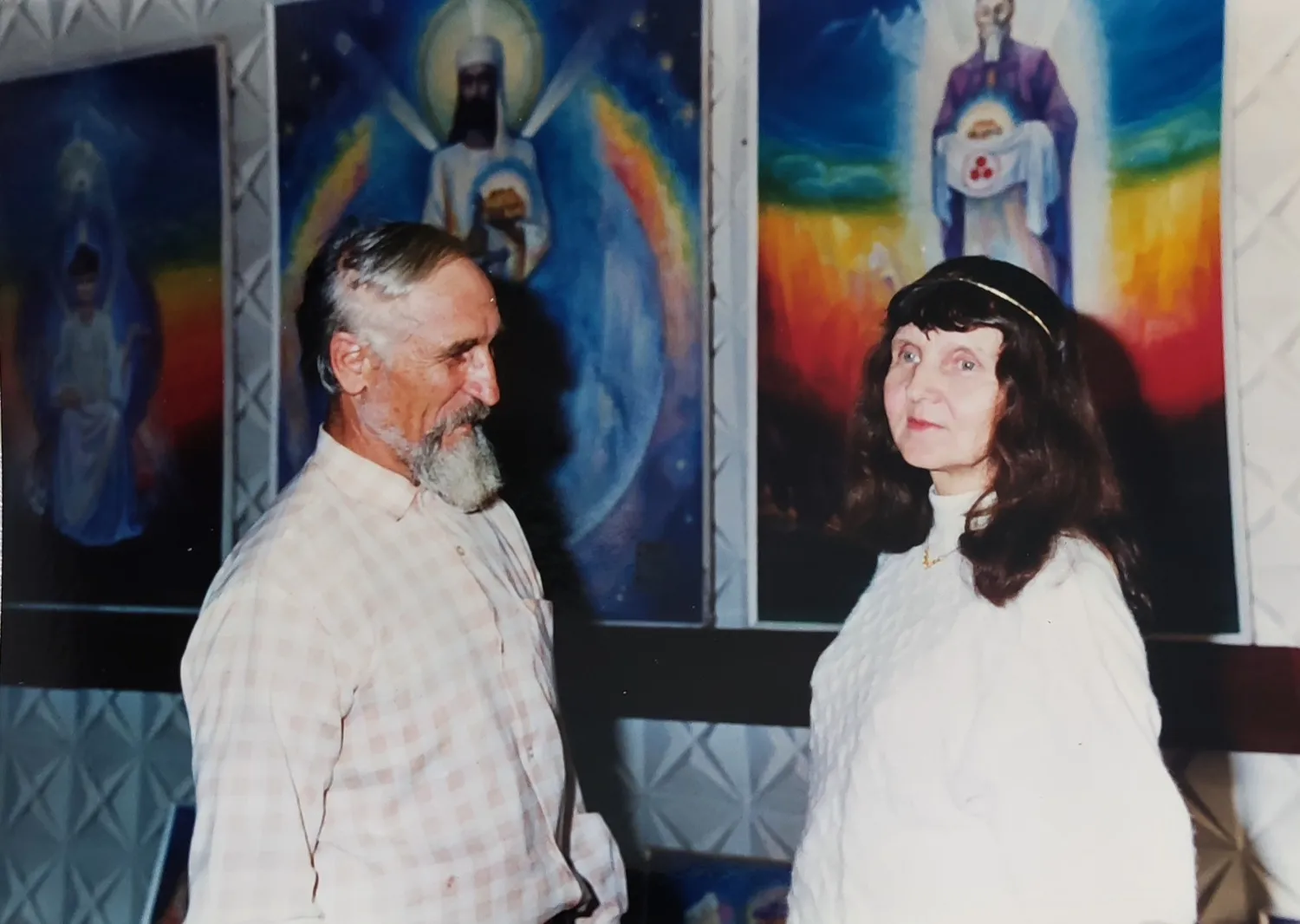
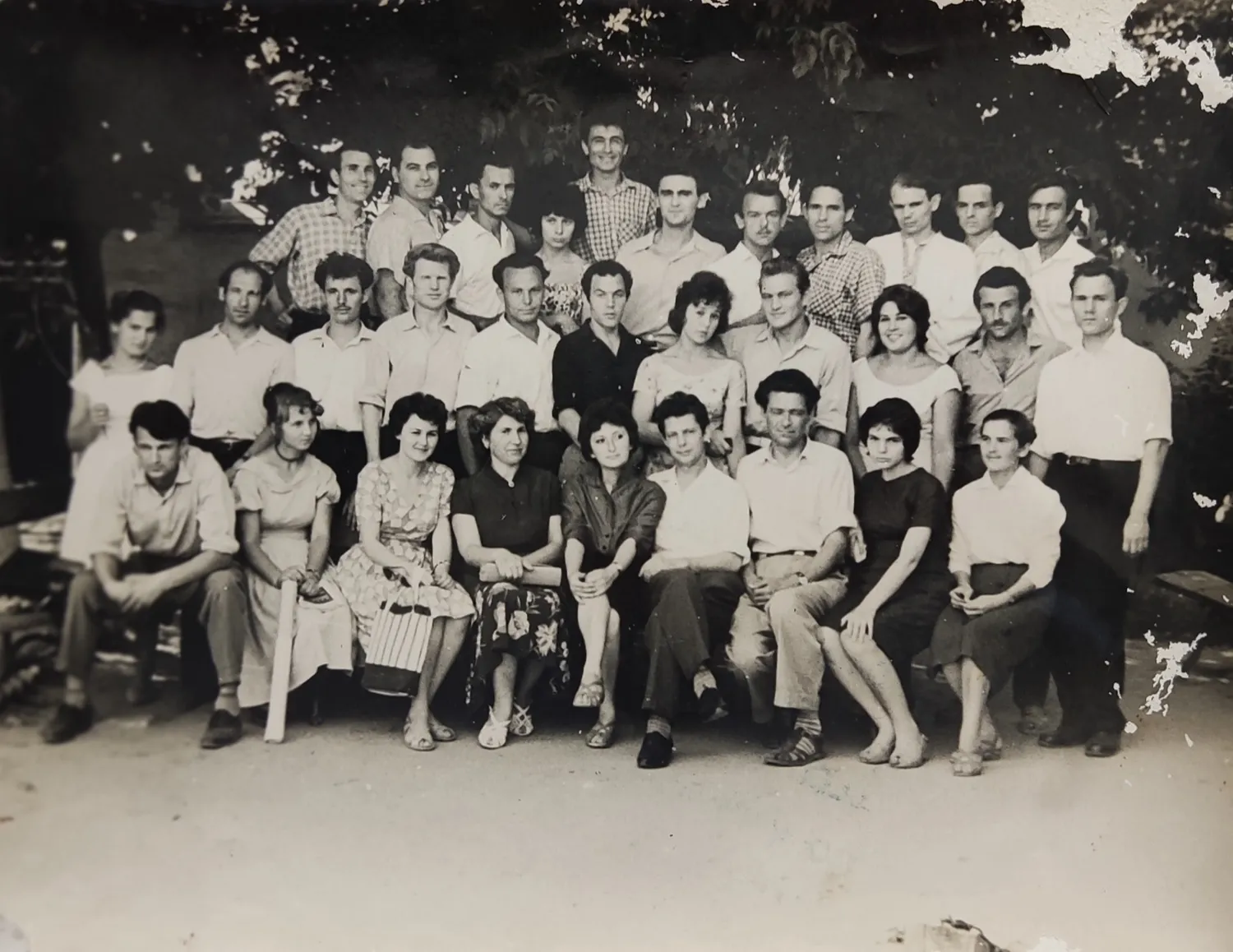
At the origins of the museum
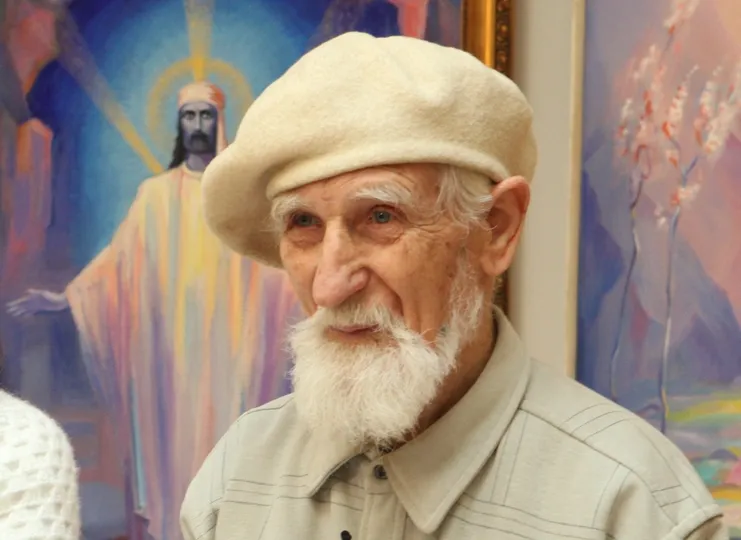
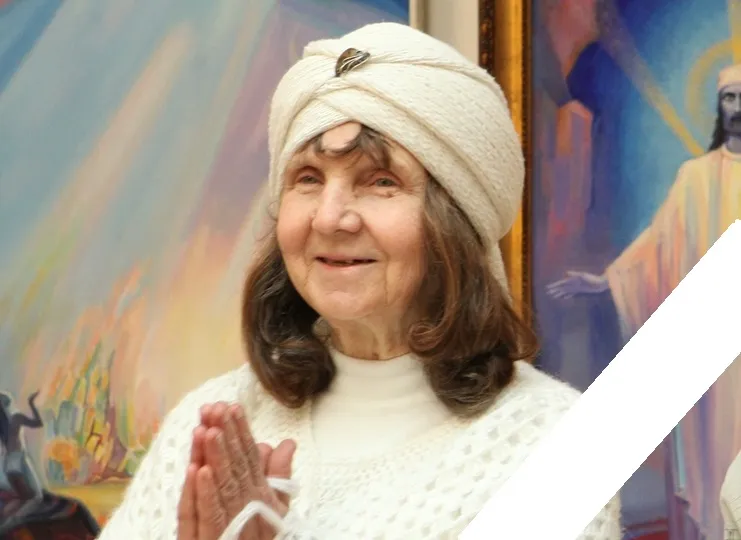
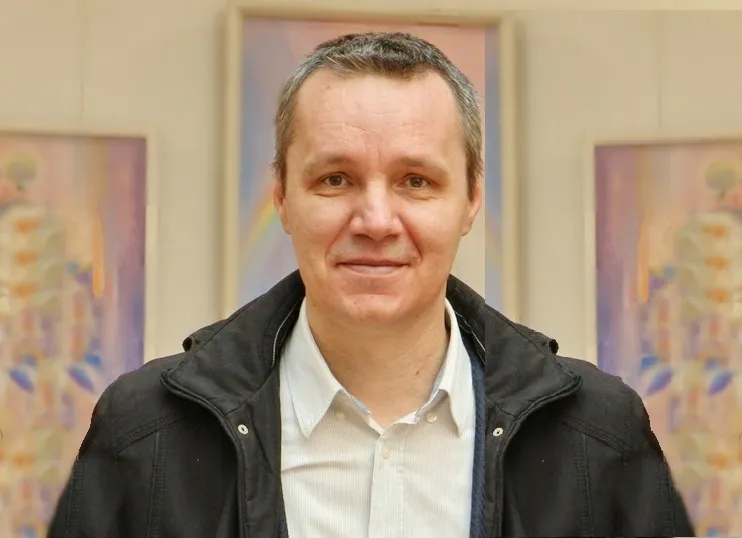
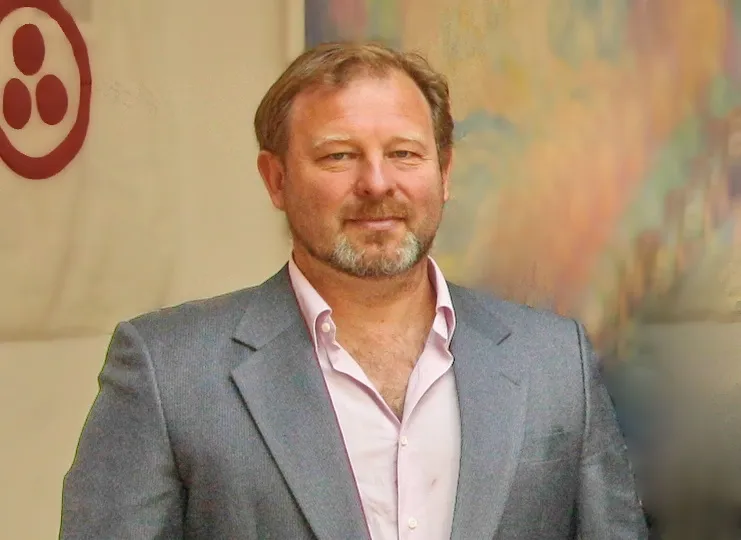
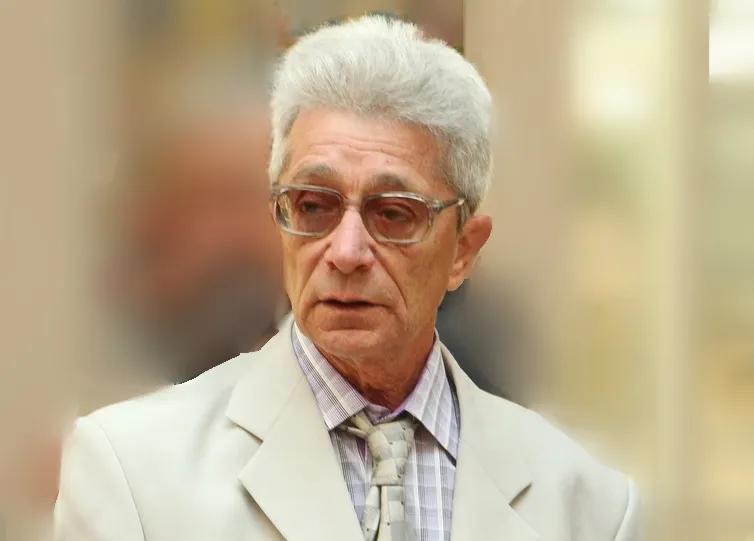
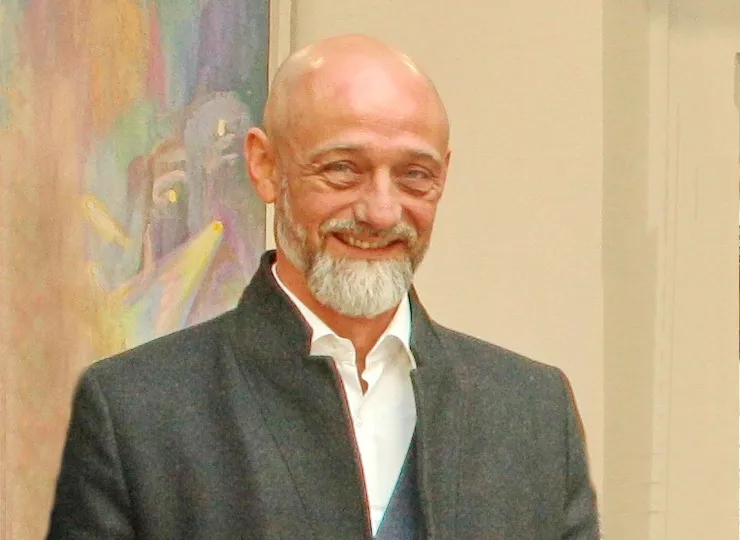
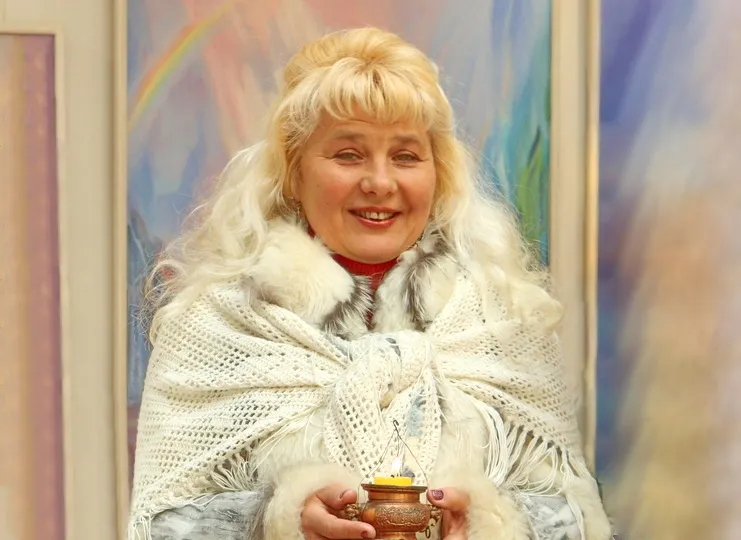
From the archive · the artists whose legacy the museum keeps
Library, archive, events
The museum library holds around 700 books and supports the museum's educational and research mission. The archive helps systematise information about the works, the stages of the artists' creative path, exhibitions, materials and techniques.
The museum is conceived as a living cultural and educational space: it can host tours, lectures, chamber concerts, themed evenings, educational sessions, presentations and cultural events.
Why the museum exists
The Grev Kafi cultural-educational museum preserves and presents the duo's artistic legacy, develops interest in symbolist painting and supports dialogue between art, education and the inner world of the human being.
«We invite you to discover a world of symbols, harmony and deep visual expression - here, at the Grev Kafi Museum.»